
TECAFINE POLYMER PRIVATE LIMITED
GST : 24AAFCT7626P1ZR

Call us
07971459969
Call us
07971459969
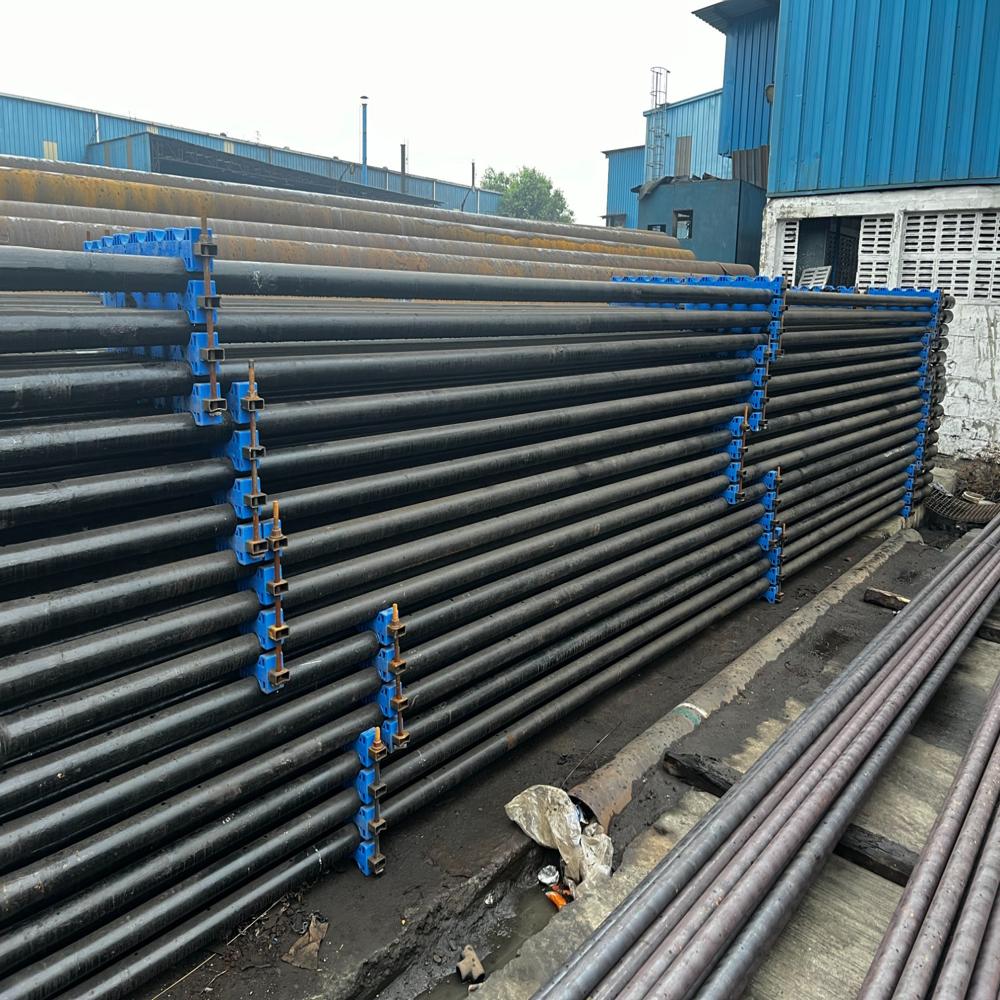
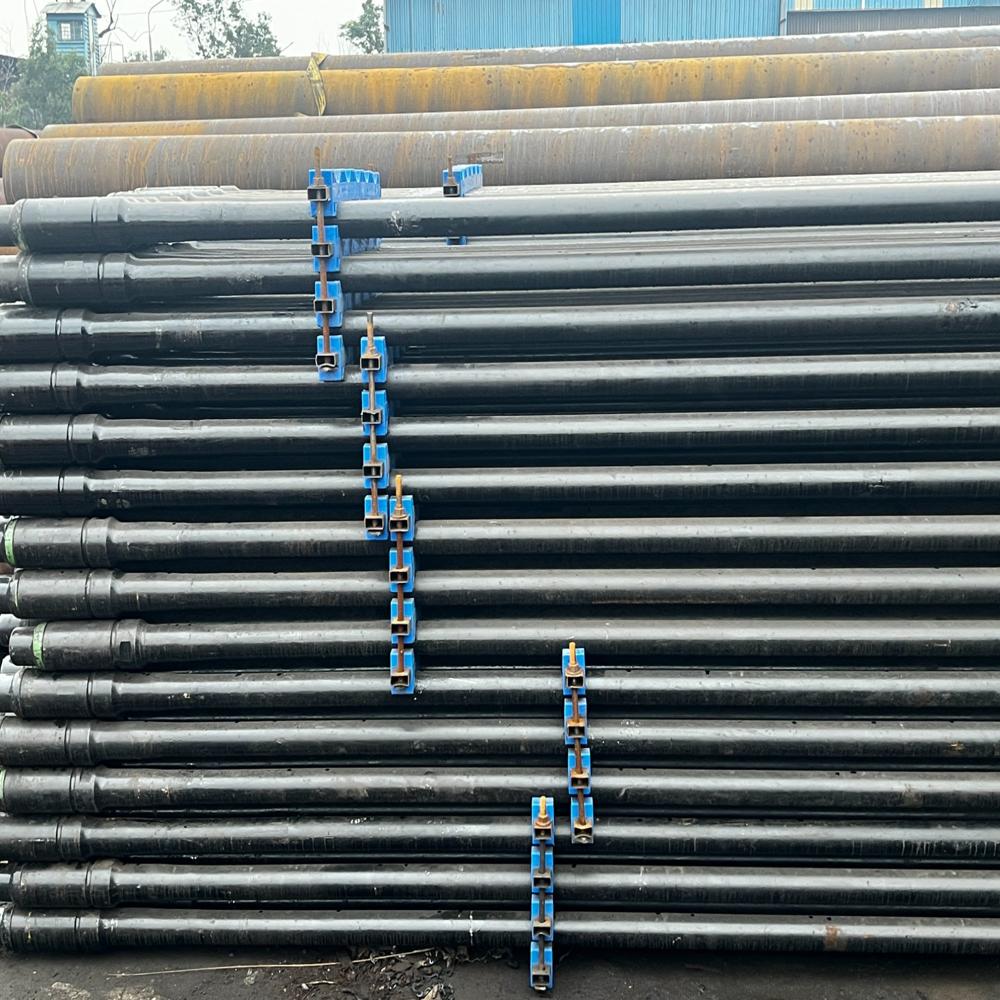
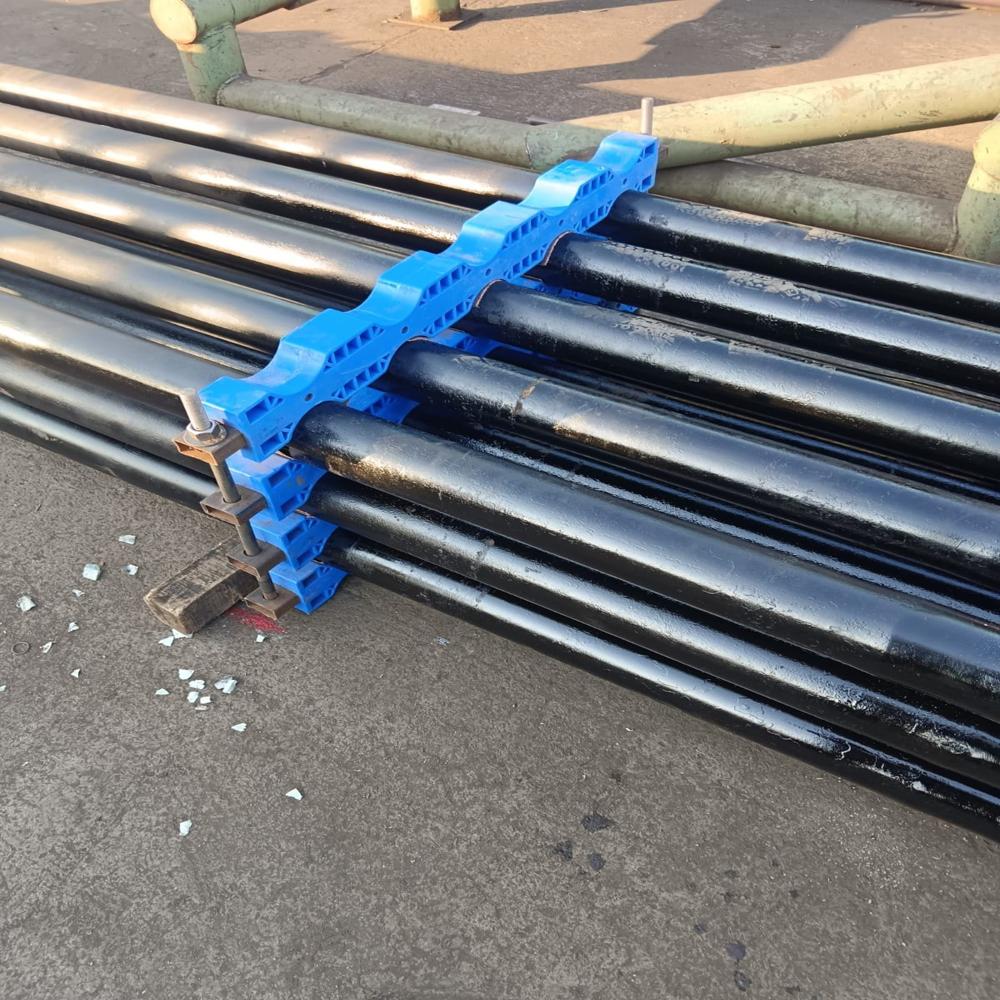

Tecafine PP Runner are injection moulded from high grade recycled polypropylene. Tecafine PP Runner are long lasting and re-useable. Tecafine PP Runner are UV resistant over a wide temperature range. The material does not crack or degrade under influence of sun light and is unaffected by moisture, oil or solvents. Tecafine PP Runner have a proven track record of over 10 years of safe operation.
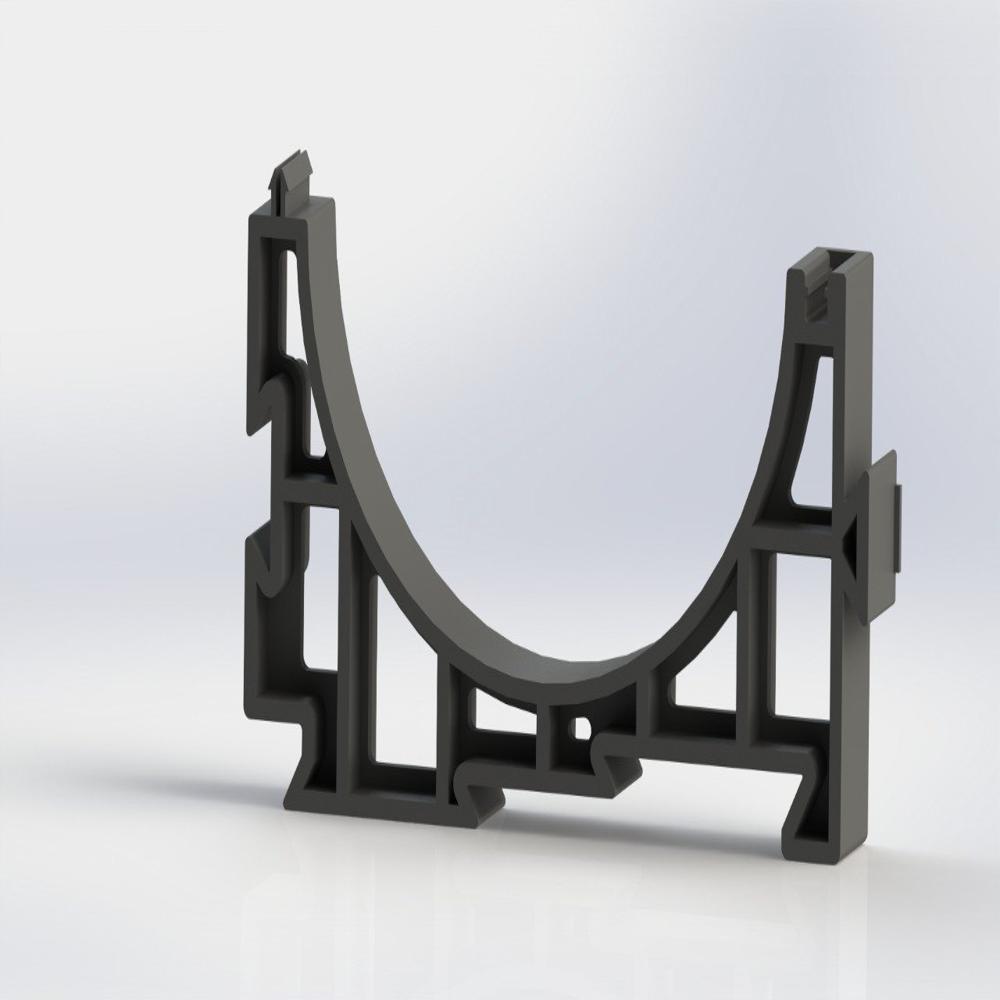
Tecafine PP Runner is an engineered system consisting of base carriers and mid carriers with defined, tested and field proven Safe Working Loads. The base carriers are placed on a flat surface and the mid carriers are placed in between the layers.
PP Runner installation Drill Pipe is a rugged, It is the most effective and economical mechanical Pipe Storage System.
Usually while tripping pipe. A stand of collar are similar, the collar to allow it to be picked up by the elevators. They are usually kept between Two Pipe.
Tecafine PP Runner are generally sized by how many stands they can hold in their Pipe.

Price:
Price 42.0 INR / Piece
Minimum Order Quantity : 100 Pieces
Flexibility : Rigid
Usage : Pipe Alignment and Spacing
Application : other, Construction, Industrial Piping Support
Thickness : 3 mm
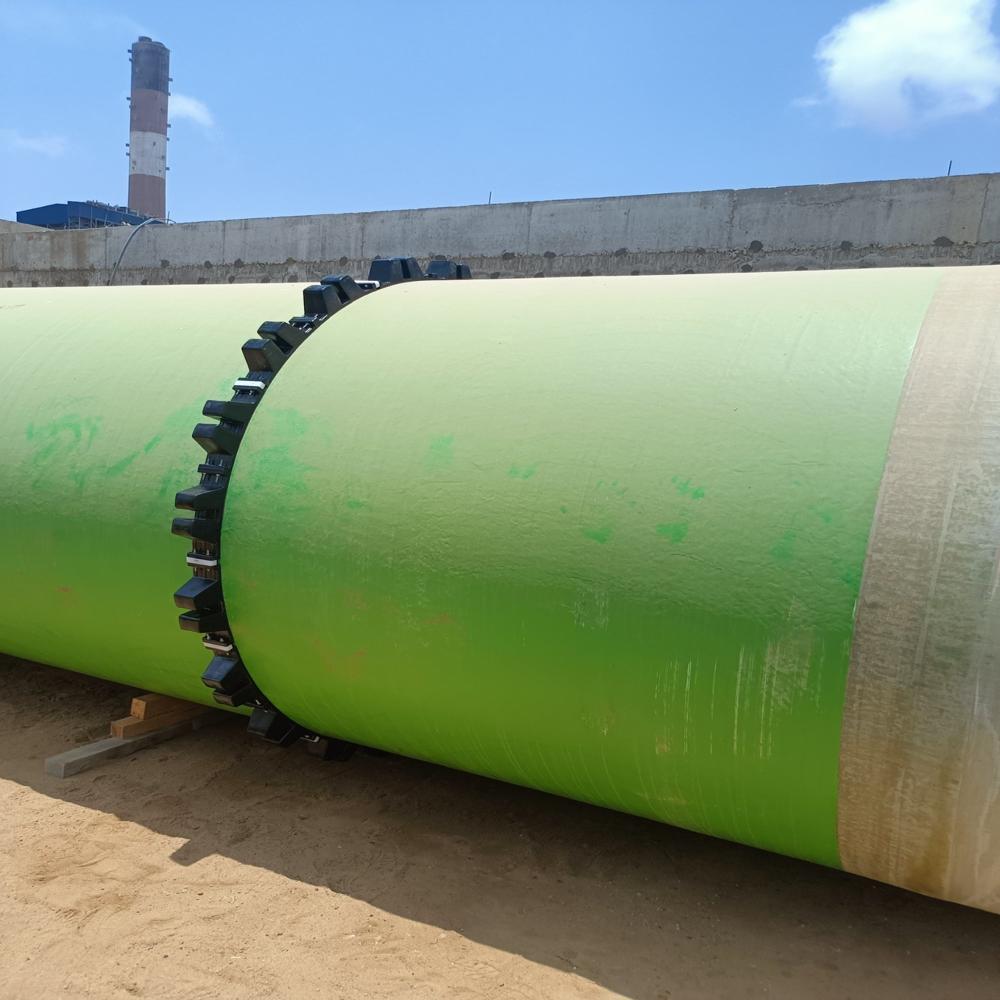
Price 165.0 INR / Piece
Minimum Order Quantity : 100 Pieces
Flexibility : Flexible / SemiRigid
Usage : Casing centralization and insulation
Application : other, Oil & Gas Well Casing
Thickness : 5 to 10 mm
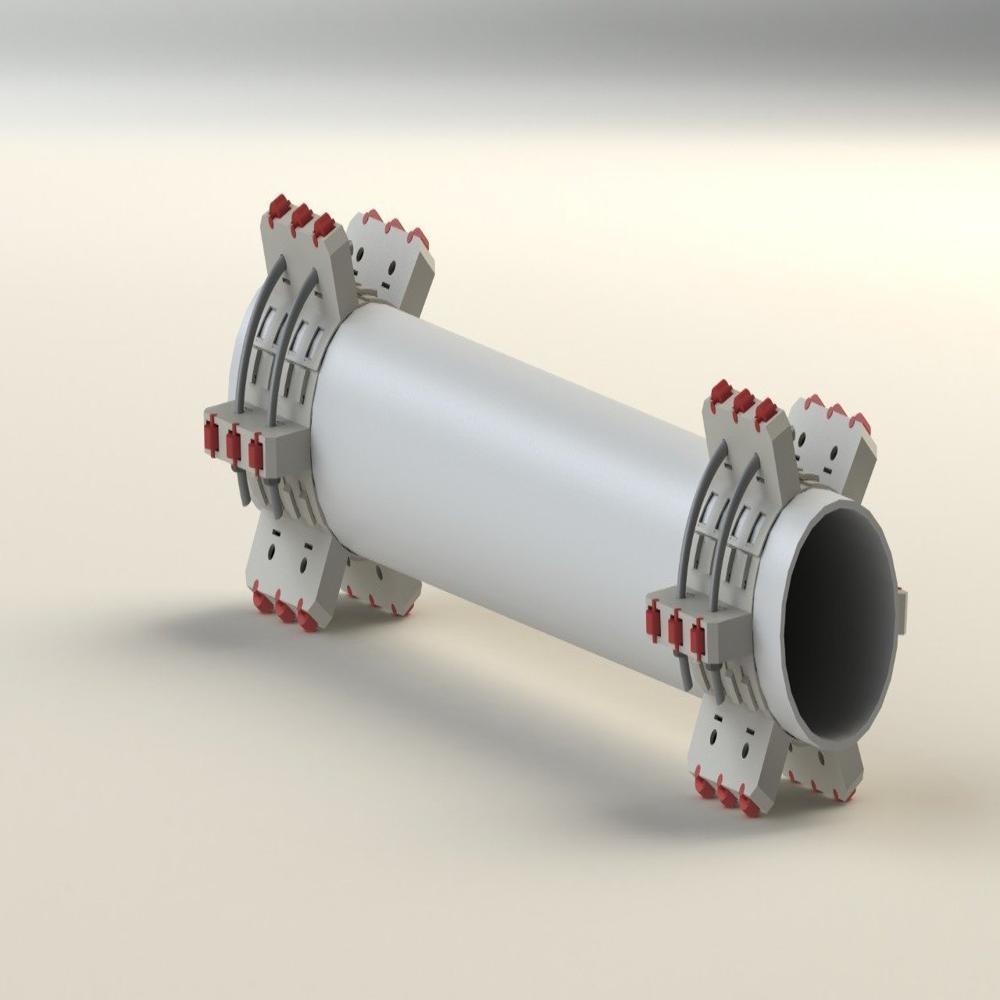
Price 290.0 INR / Unit
Minimum Order Quantity : 100 Units
Flexibility : Rigid
Usage : Used for pipe separation in multipipe installations
Application : other, Pipeline installation and protection
Thickness : 10 mm
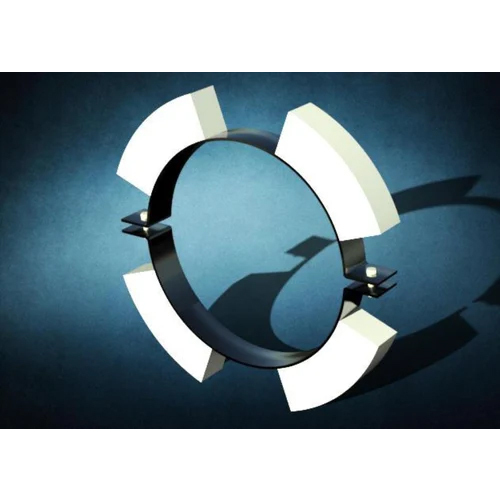
Price 248.0 INR / Unit
Minimum Order Quantity : 100 Units
Flexibility : No
Usage : Industrial
Application : Drinking Water Pipe
Thickness : 100mm Millimeter (mm)

 English
 Spanish
 French
 German
 Italian
 Chinese (Simplified)
 Japanese
 Korean
 Arabic
 Portuguese
 Send Inquiry

