
TECAFINE POLYMER PRIVATE LIMITED
GST : 24AAFCT7626P1ZR

Call us
07971459969
Call us
07971459969
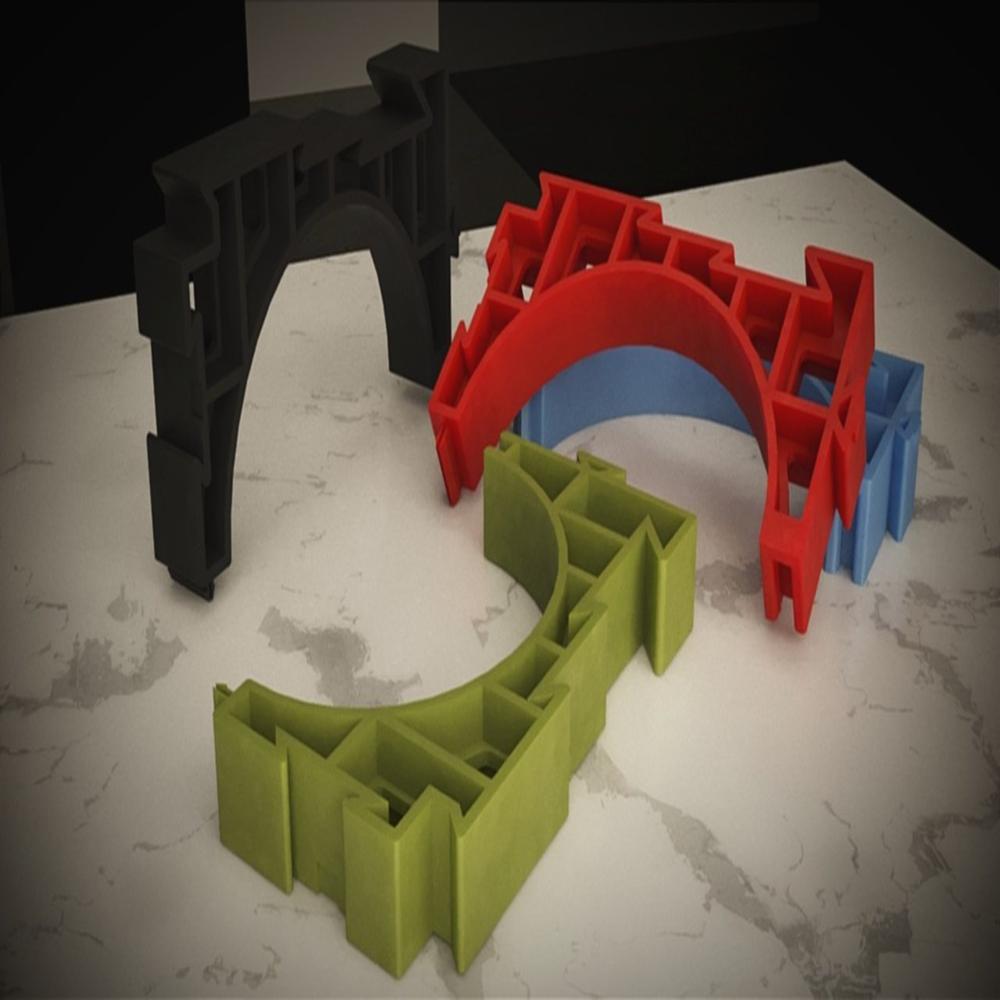
Duct Spacers shall be made from ABS Acrylonitrile Butadiene Styrene (ABS). (1.04 specific gravity
has been chosen by TECAFINE for the manufacture of all interlocking module spacers
because of its flexibility, strength, and resiliency.
(A) Under compressive stress
(B) The spacer modules can be freely handled on the job site without breakage.
Since many utilities install underground systems year-round, and most large projects carry through more than one year, it is important to use a formulaon of ABS for spacers that will not be adversely by the extremes of summer or winter temperares. Finally, Rib wall construction makes it possible to design a spacer which will hold safely the vertical
loads normally encountered when men work atop large duct banks.
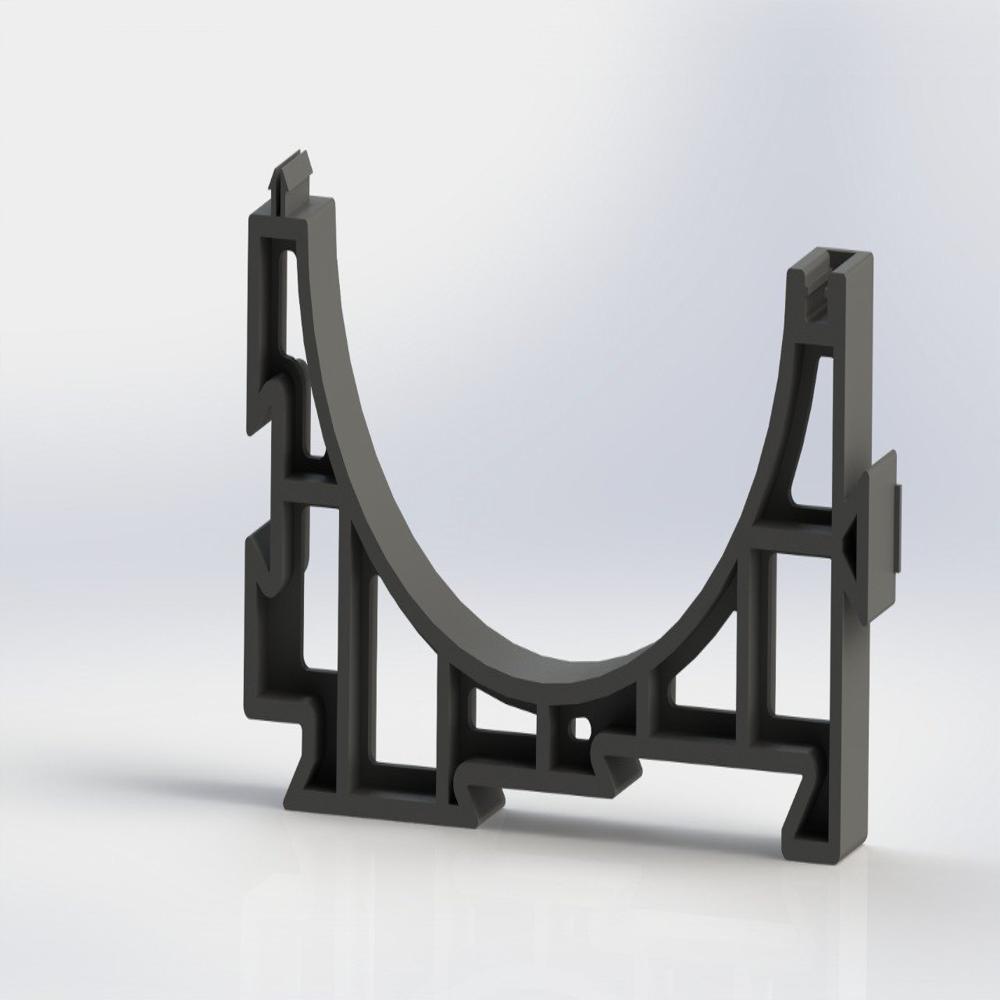
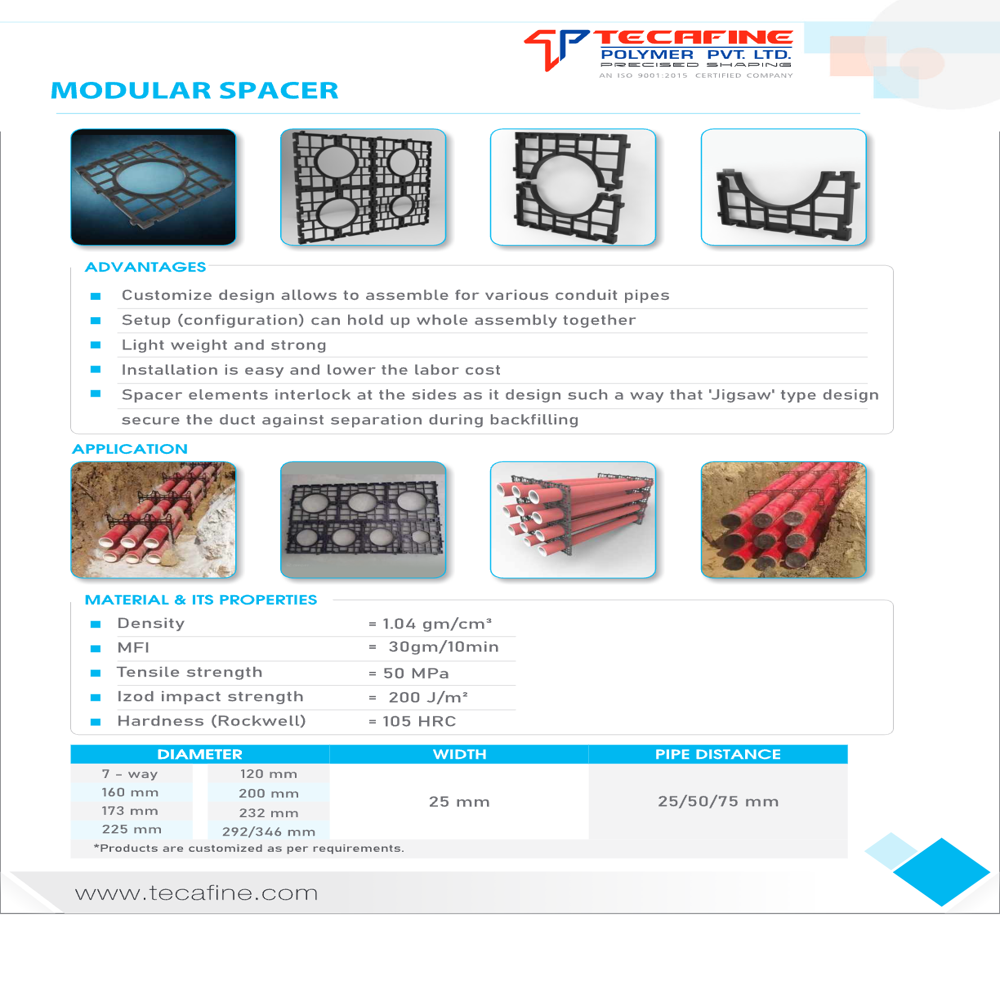
Spacers shall consist of interlocking modules. The interlocking modules shall include an
internal vertical channel on both side edges of the spacers. When the duct bank is
assembled.

Price:
Price 1120.0 INR / Piece
Minimum Order Quantity : 100 Pieces
Color : Black/Grey
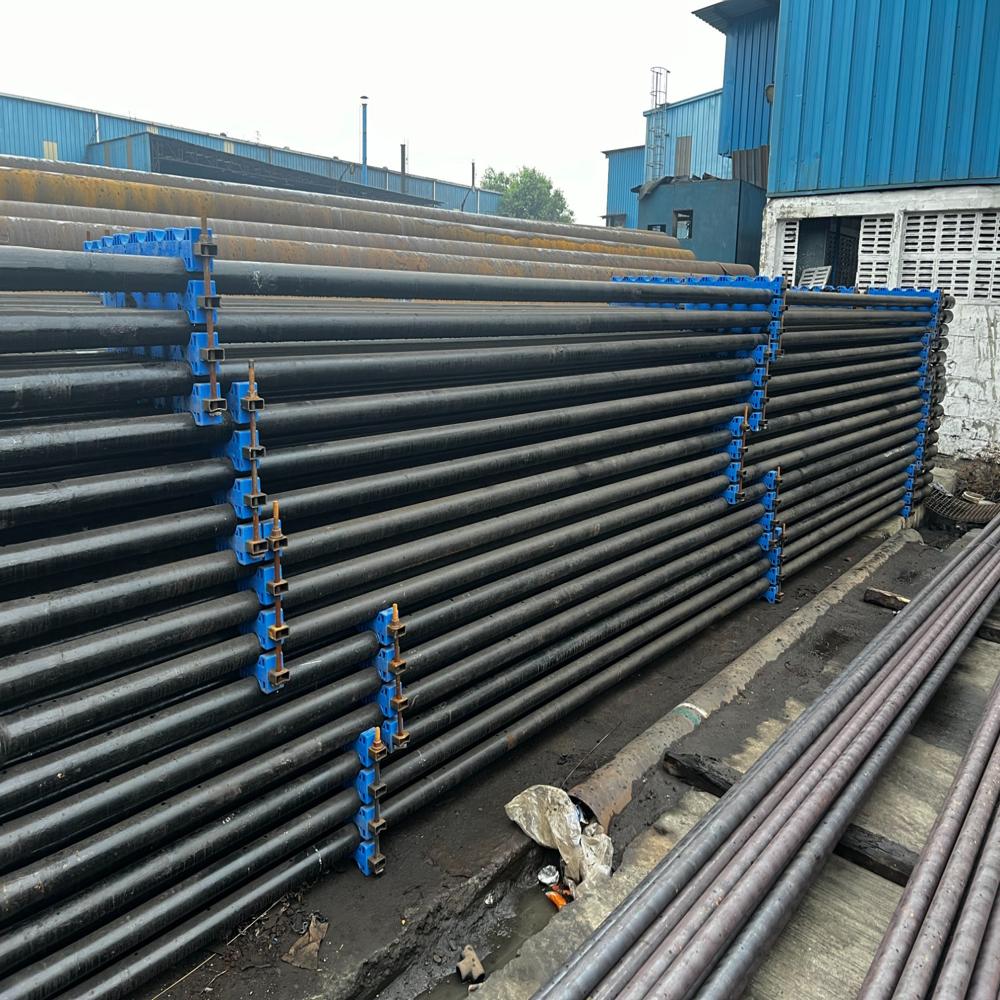
Flexibility : High Tensile & Flexural Strength
Usage : Oil & Gas Well Drilling
Application : other, Drilling Operations, Storage, and Handling
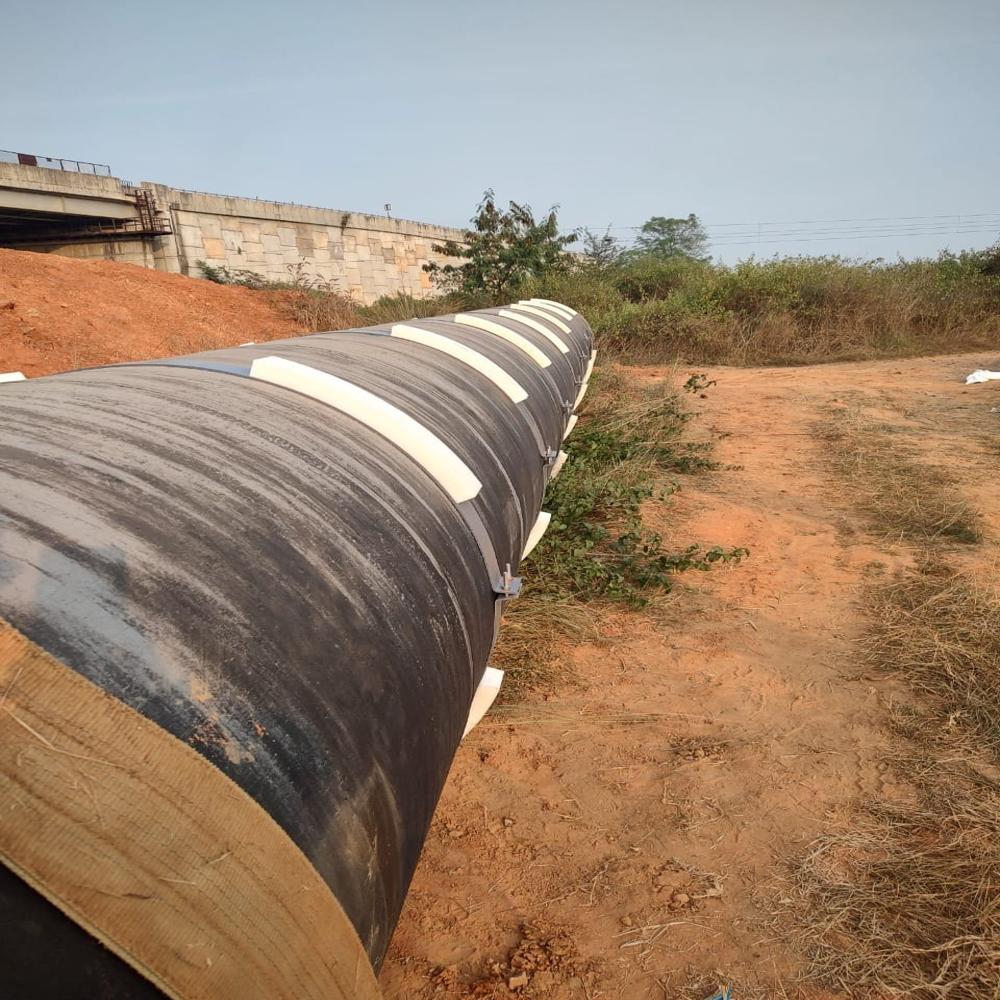
Price 7820.0 INR / Piece
Minimum Order Quantity : 10 Pieces
Color : Black/Grey
Flexibility : Rigid
Usage : Pipeline casing, cable duct protection
Application : other, Pipeline Installation, Cable Ducting
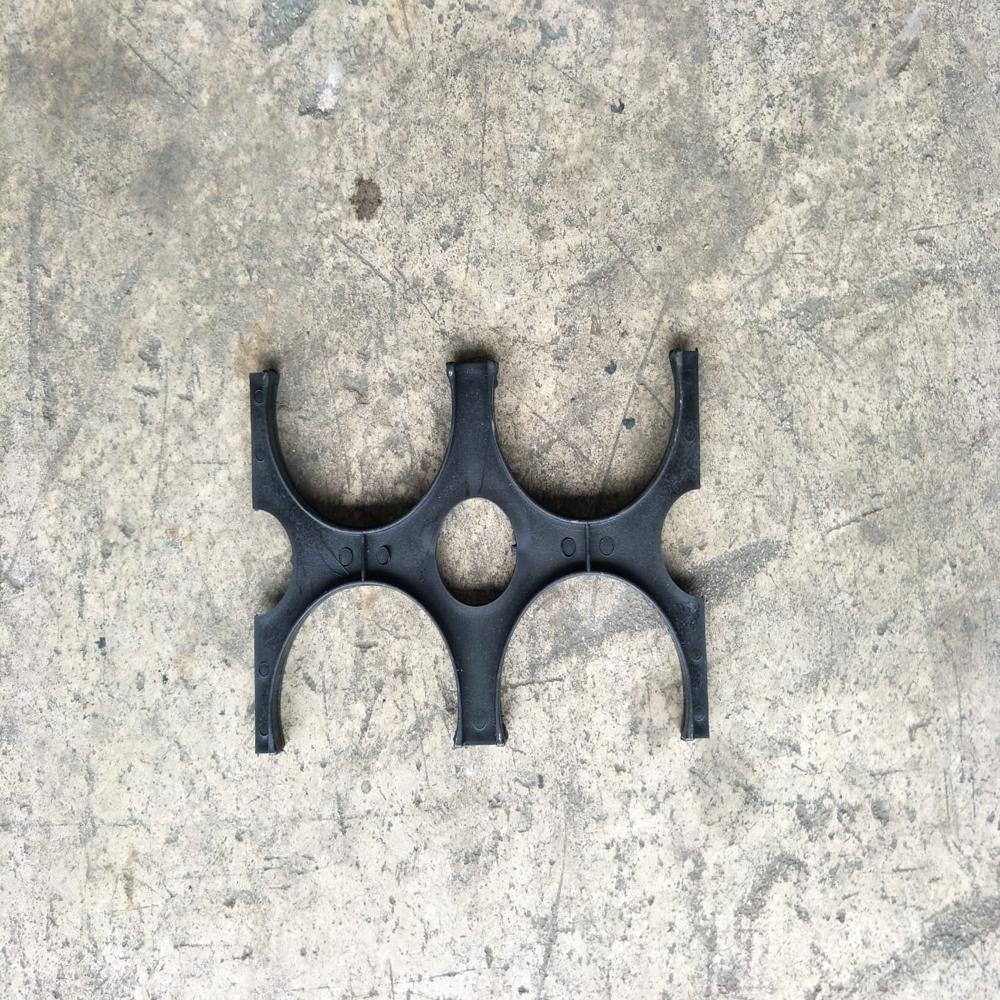
Price 110.0 INR / Piece
Minimum Order Quantity : 100 Pieces
Color : Black
Flexibility : Semirigid
Usage : Underground conduit and duct alignment
Application : other, Electrical & Telecom Duct Bank Installation
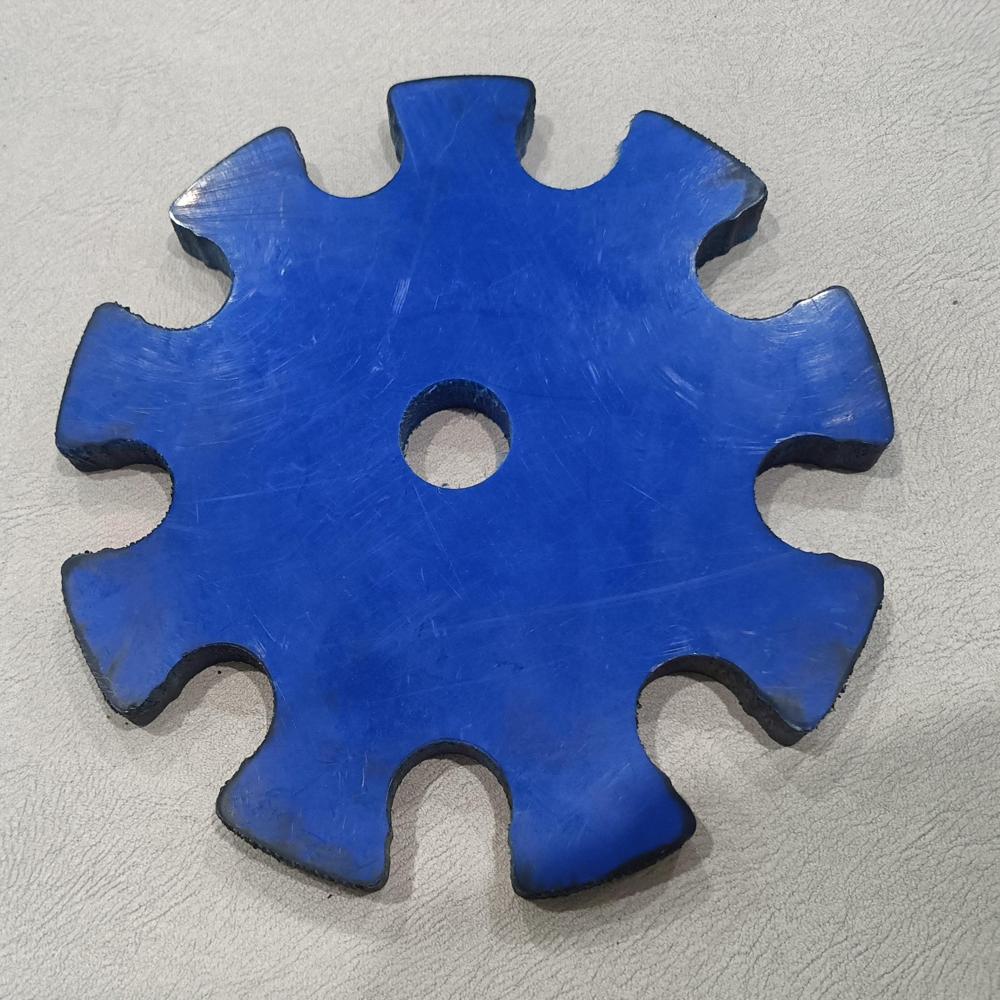
Price 12.0 INR / Unit
Minimum Order Quantity : 200 Units
Color : Gray or Black
Flexibility : SemiRigid
Usage : Spacers for Underground Electrical/Telecom Duct Banks
Application : other, Underground Cable Conduit Alignment

 English
 Spanish
 French
 German
 Italian
 Chinese (Simplified)
 Japanese
 Korean
 Arabic
 Portuguese
 Send Inquiry
 Send Inquiry

