About Pipe Duct Spacer
Duct Spacers shall be made from ABS Acrylonitrile Butadiene Styrene (ABS). (1.04 specific gravity
has been chosen by TECAFINE for the manufacture of all interlocking module spacers
because of its flexibility, strength, and resiliency.
(A) Under compressive stress
(B) The spacer modules can be freely handled on the job site without breakage.
Since many utilities install underground systems year-round, and most large projects carry through more than one year, it is important to use a formulaon of ABS for spacers that will not be adversely by the extremes of summer or winter temperares. Finally, Rib wall construction makes it possible to design a spacer which will hold safely the vertical
loads normally encountered when men work atop large duct banks.
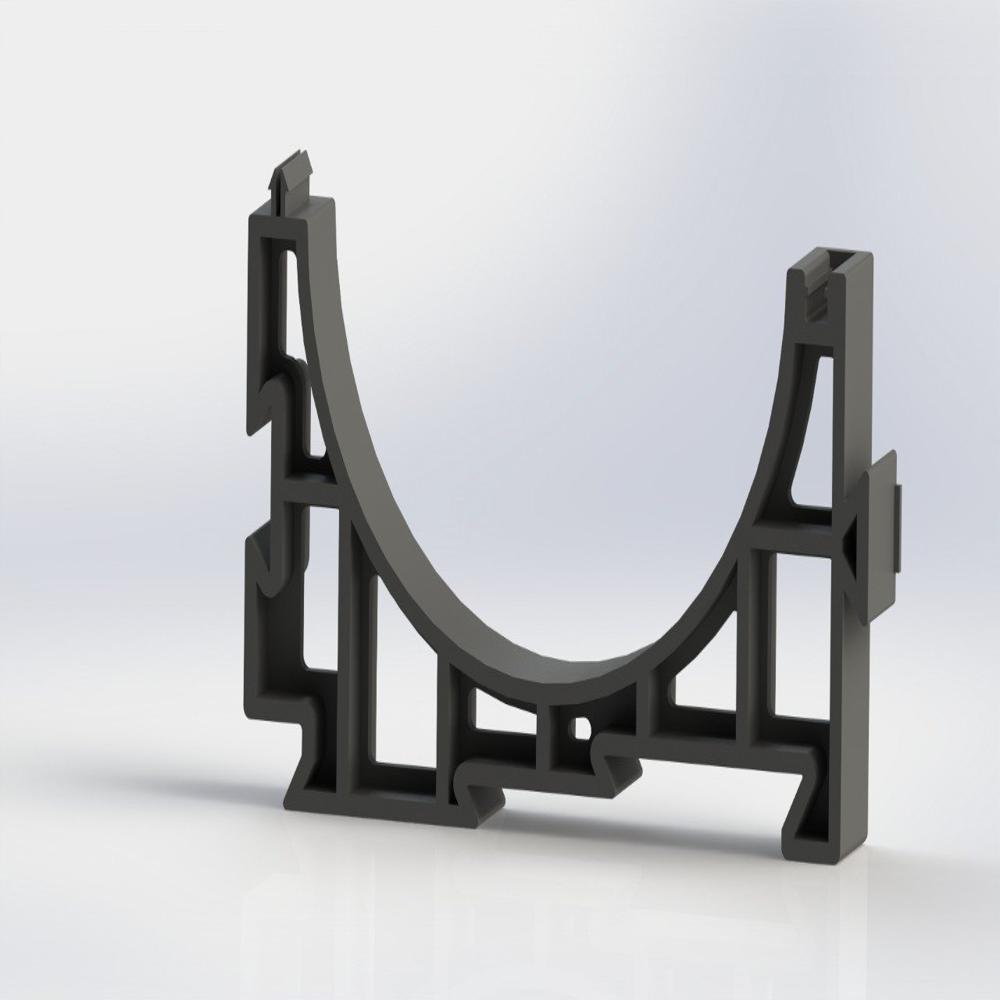
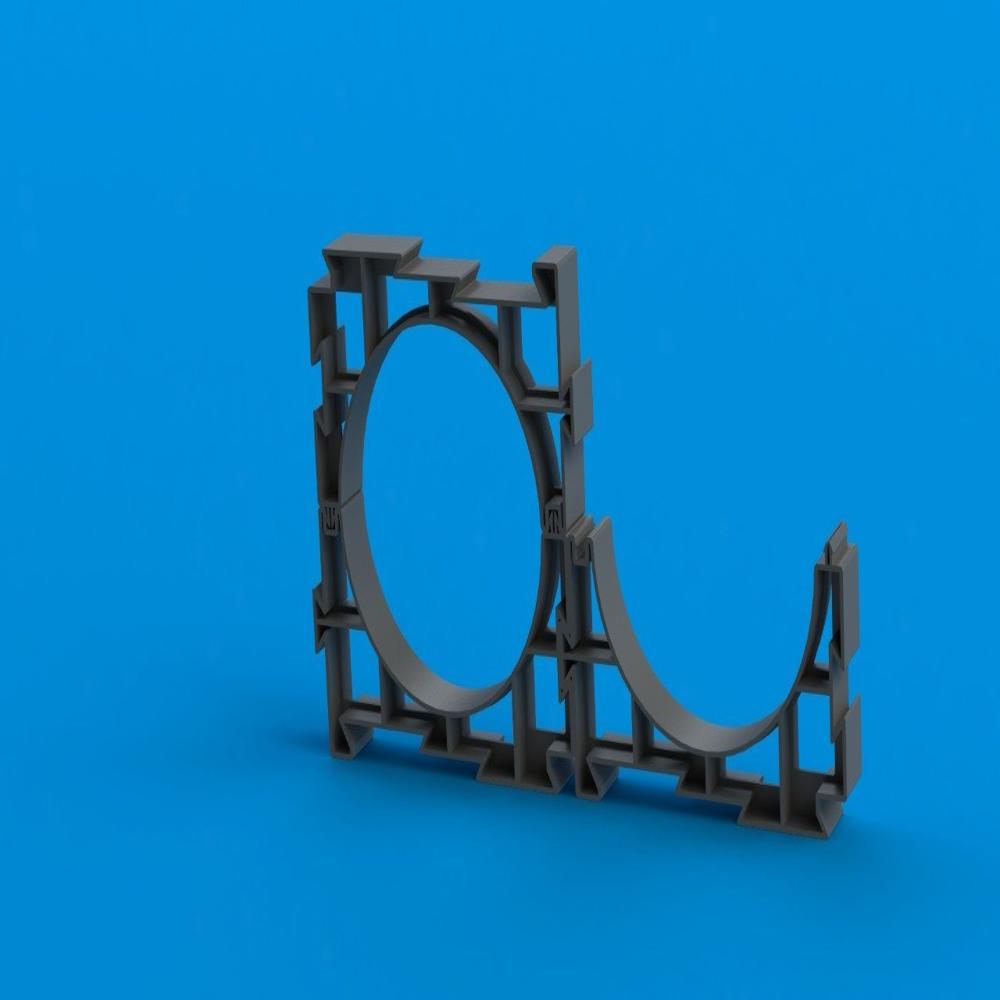
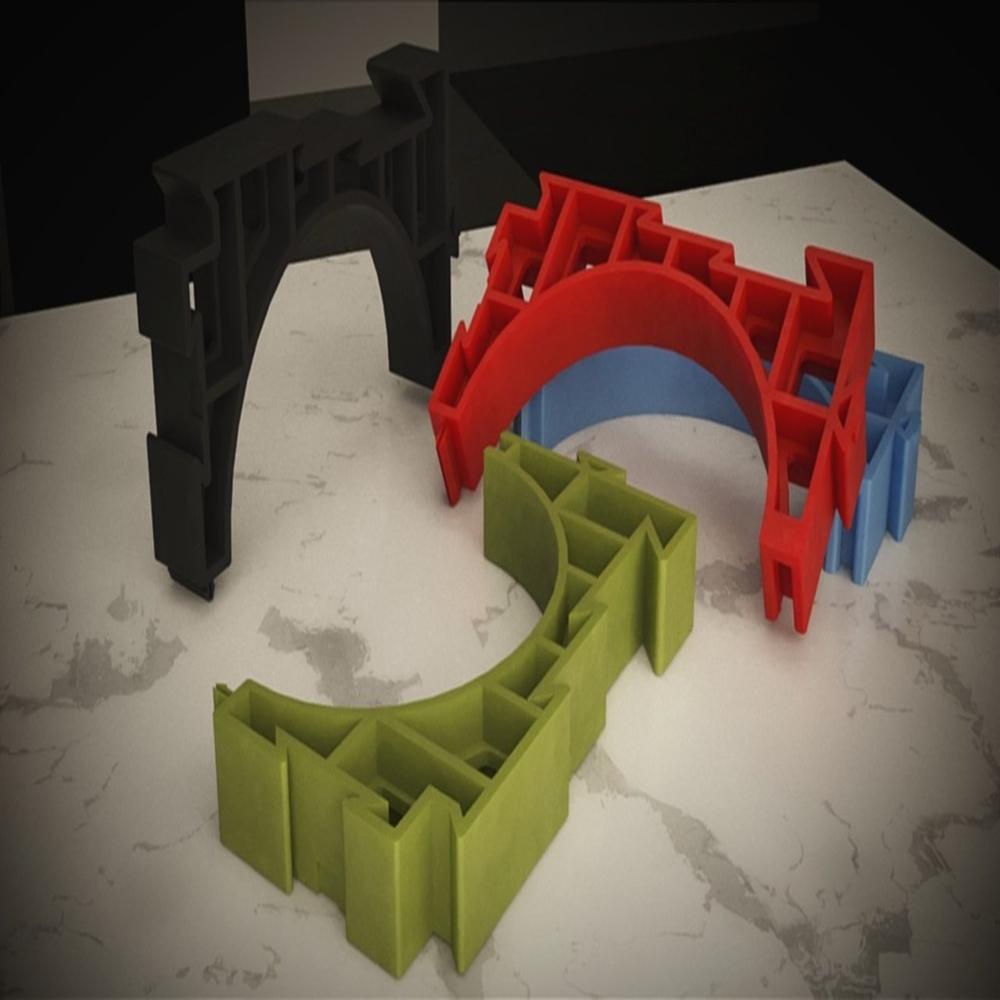
Spacers shall consist of interlocking modules. The interlocking modules shall include an
internal vertical channel on both side edges of the spacers. When the duct bank is
assembled.
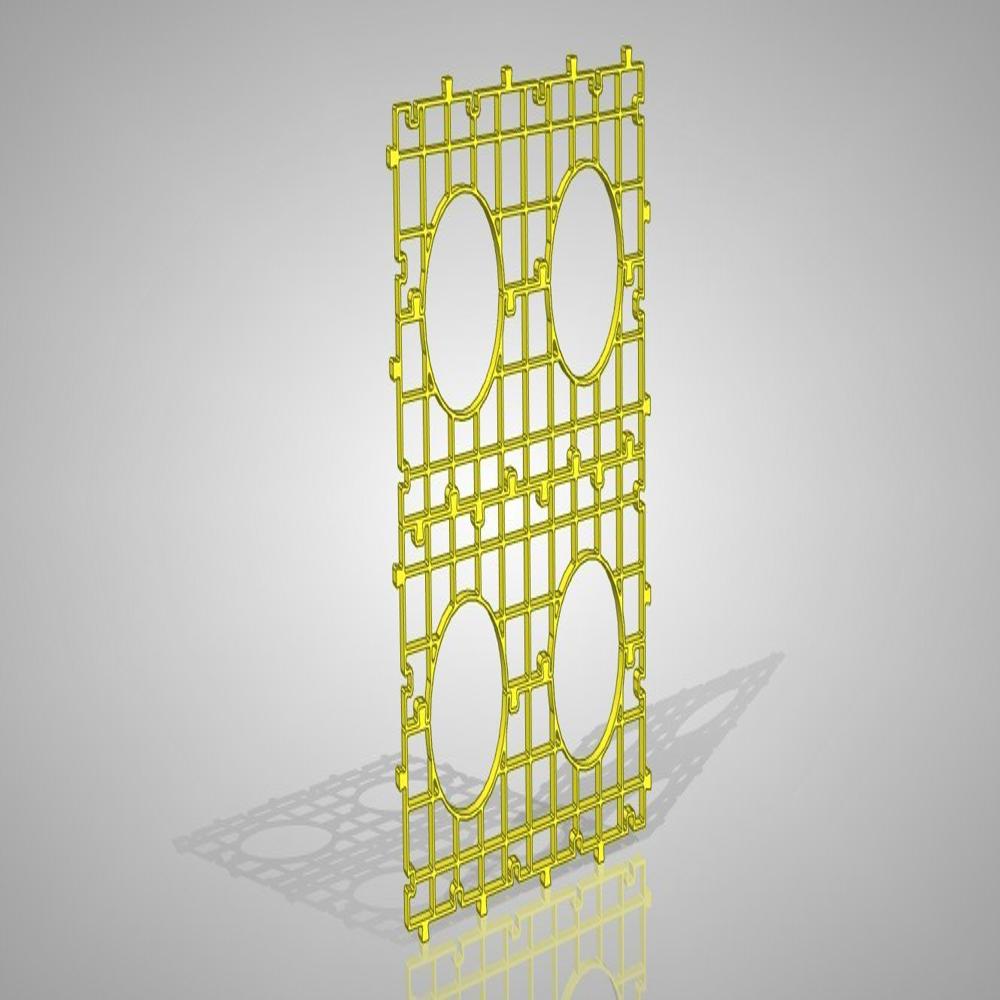
Engineered for Versatile Cable Duct InstallationsThis HDPE PE100 duct spacer is designed for easy, reliable manual placement in a variety of underground cable and pipe laying projects. Its adaptable channel/grid section and rectangular shape fit seamlessly within ducts from 63 mm to 200 mm in diameter. The snap fit and interlocking connections permit flexible vertical or horizontal stacking, ensuring secure alignment and spacing throughout complex installations.
Outstanding Durability and High PerformanceBenefit from exceptional resistance to corrosion and UV exposure, making this spacer ideal for long-term underground use. With a yield strength greater than 22 MPa and tensile strength over 25 MPa, the rigid spacer maintains precise alignment and structural integrity. Its lightweight and reusable construction supports sustainable practices, reducing project costs over repeated installations.
FAQ's of Pipe Duct Spacer:
Q: How is the Pipe Duct Spacer installed during underground cable laying?
A: Installation is performed manually by placing the spacer between ducts and aligning them as required. Its snap fit and interlocking system ensure a secure connection, accommodating both vertical and horizontal stacking arrangements without the need for specialized tools.
Q: What duct diameters are suitable for this spacer?
A: This spacer is compatible with cable ducts and pipes ranging from 63 mm to 200 mm in diameter, making it versatile for various underground infrastructure projects.
Q: When should I opt for this high-density HDPE spacer over other materials?
A: Choose this HDPE PE100 spacer when corrosion resistance, UV stability, precise tolerance, and reusability are important-especially for long-lasting, underground installations exposed to challenging site conditions.
Q: Where is this pipe duct spacer typically used?
A: Commonly used across India, this spacer is ideal for underground cable and pipe laying in utility corridors, infrastructure projects, and industrial applications requiring consistent duct spacing.
Q: What is the process for stacking multiple spacers in a cable duct system?
A: Spacers can be stacked vertically or horizontally as needed, using the interlocking snap fit connections. This arrangement provides the necessary spacing grid for secure, organized pipe and cable installations.
Q: What benefits does reusability offer in cable duct installations?
A: The spacer's robust, reusable design reduces material wastage and project costs over time. After initial use, spacers can be easily retrieved and repurposed for future installations.
Q: Does the spacer require any coating or special maintenance?
A: No additional coating is necessary. The high-density HDPE PE100 material offers inherent resistance to corrosion and UV exposure, requiring minimal maintenance once installed.





 English
 Spanish
 French
 German
 Italian
 Chinese (Simplified)
 Japanese
 Korean
 Arabic
 Portuguese
 Send Inquiry

