About Duct Spacer Underground
Duct Spacers shall be made from ABS Acrylonitrile Butadiene Styrene (ABS). (1.04 specific gravity
has been chosen by TECAFINE for the manufacture of all interlocking module spacers
because of its flexibility, strength, and resiliency.
(A) Under compressive stress
(B) The spacer modules can be freely handled on the job site without breakage.
Since many utilities install underground systems year-round, and most large projects carry through more than one year, it is important to use a formulaon of ABS for spacers that will not be adversely by the extremes of summer or winter temperares. Finally, Rib wall construction makes it possible to design a spacer which will hold safely the vertical
loads normally encountered when men work atop large duct banks.
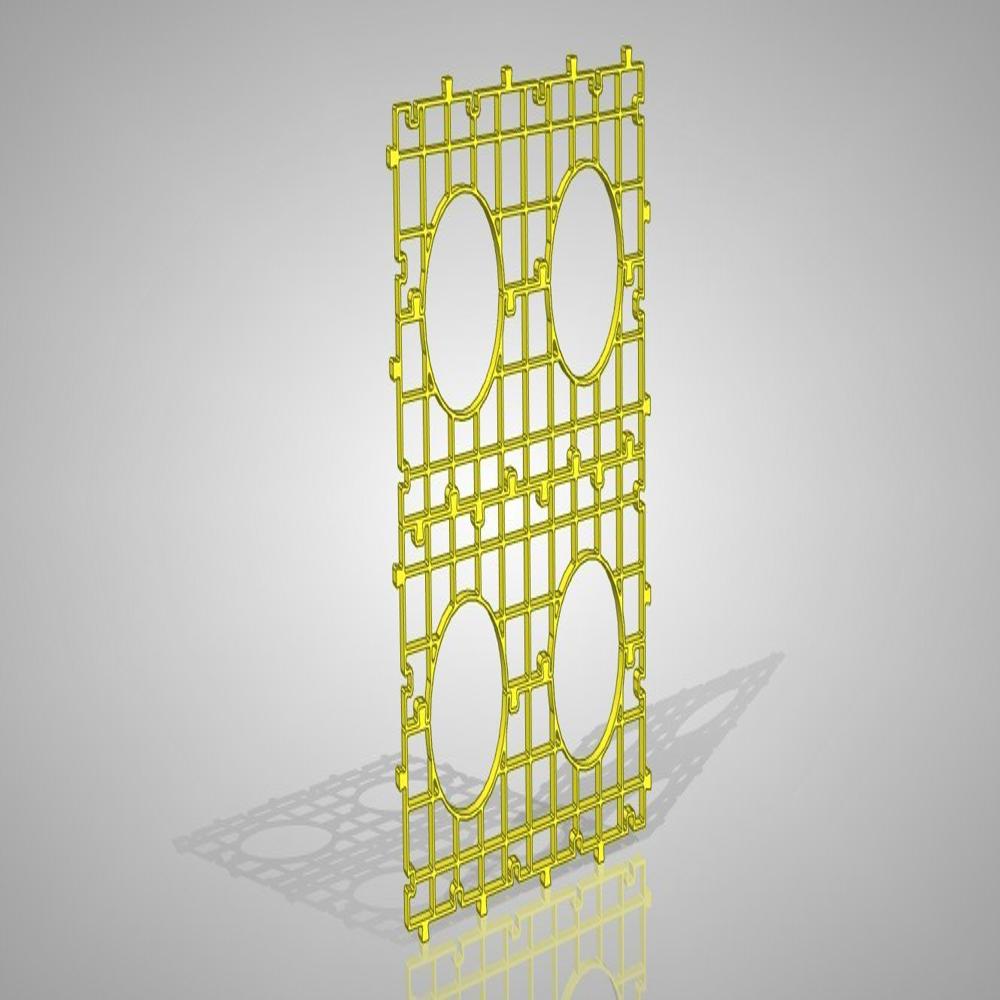
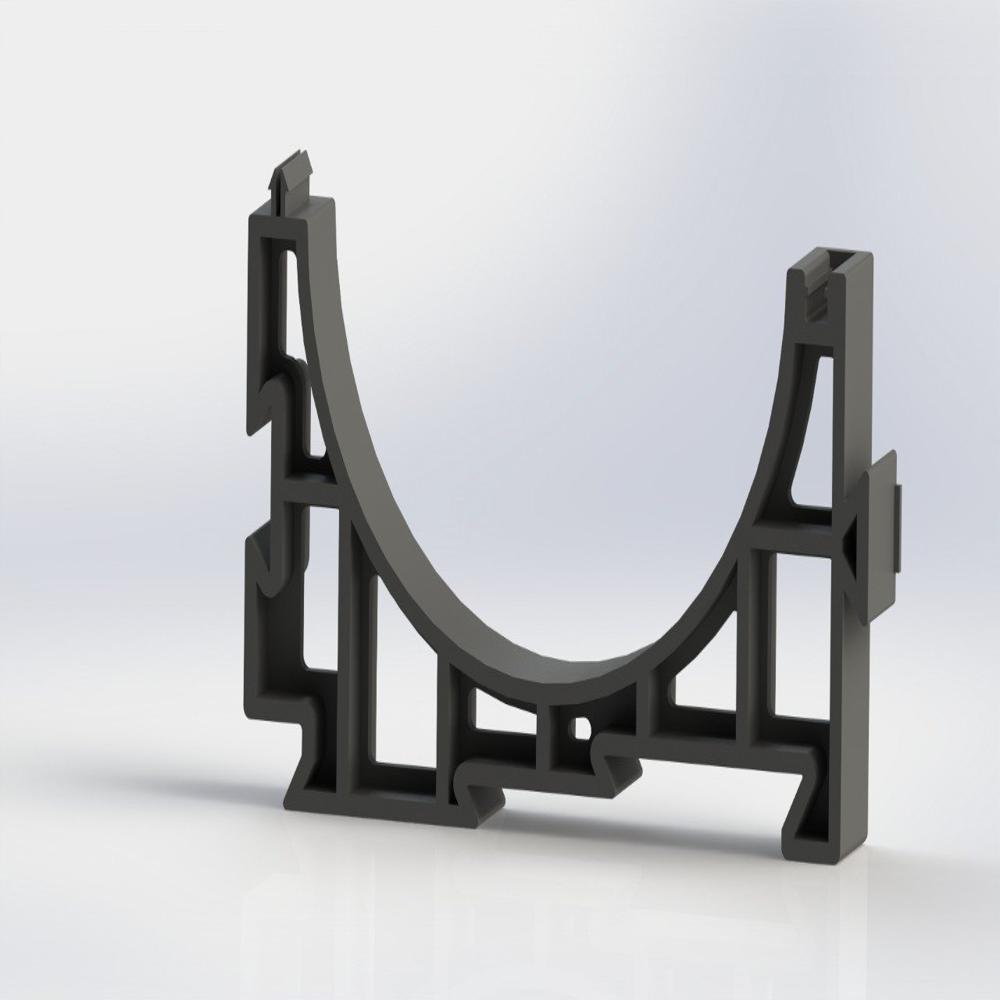
Spacers shall consist of interlocking modules. The interlocking modules shall include an
internal vertical channel on both side edges of the spacers. When the duct bank is
assembled.
Customizable Slot DesignChoose from 2, 4, or 6 slot options to suit your specific duct configuration needs. The multi-duct grid design accommodates duct outer diameters from 90 mm to 150 mm, allowing flexibility for different project requirements. Each spacer is crafted with precision to a thickness of 6 mm, ensuring durability and consistency across installations.
Superior Durability and Environmental ResistanceManufactured from high-quality virgin grade HDPE, these spacers offer excellent tensile and yield strength, as well as high resistance to chemicals and impacts. The UV-stabilized finish and optional fire-retardant formulation provide added protection in challenging environments, extending the service life of each spacer.
Efficient Installation and ConnectivityDesigned for manual placement, these spacers use a user-friendly snap-on interlocking system for secure connection. The system is non-sealing, maintaining airflow and easy access to ducts, and is supplied in bundled or carton packaging for convenient transport and on-site handling.
FAQ's of Duct Spacer Underground:
Q: How are the Duct Spacer Underground units installed in buried duct systems?
A: Installation is straightforward and performed manually. The spacers use an interlocking snap-fit design, allowing you to quickly position and connect them between ducts in the trench before backfilling. No special tools or adhesives are required.
Q: What is the process for selecting the appropriate spacer slot configuration for my project?
A: Determine the number of ducts you need to separate and choose either the 2, 4, or 6 slot variant accordingly. The spacers align ducts with outer diameters between 90 mm and 150 mm, ensuring that the configuration meets both the duct quantity and size requirements for your installation.
Q: Where are these duct spacers primarily used?
A: They are primarily used in underground cable and conduit installations for electrical and telecom applications. Their design and material properties make them suitable for burial environments, including both urban and industrial infrastructure projects.
Q: What benefits do these spacers offer in terms of durability and safety?
A: Constructed from virgin grade HDPE, they deliver high impact and chemical resistance, superior tensile strength (23 MPa), and a UV-stabilized surface. An optional fire-retardant formulation enhances safety in fire-sensitive areas, contributing to long-term performance and asset protection.
Q: When should I choose the fire-retardant version of these duct spacers?
A: Select the fire-retardant formulation when your project specifications or site environment requires enhanced resistance to fire, such as in areas with strict safety codes or higher fire hazards underground.
Q: How does the interlocking snap-fit connection benefit the installation process?
A: The snap-fit design facilitates quick assembly and firm placement of the spacers, ensuring consistent duct spacing and grid stability. This reduces installation time and minimizes manual errors, supporting efficient construction workflows.




 English
 Spanish
 French
 German
 Italian
 Chinese (Simplified)
 Japanese
 Korean
 Arabic
 Portuguese
 Send Inquiry
 Send Inquiry

