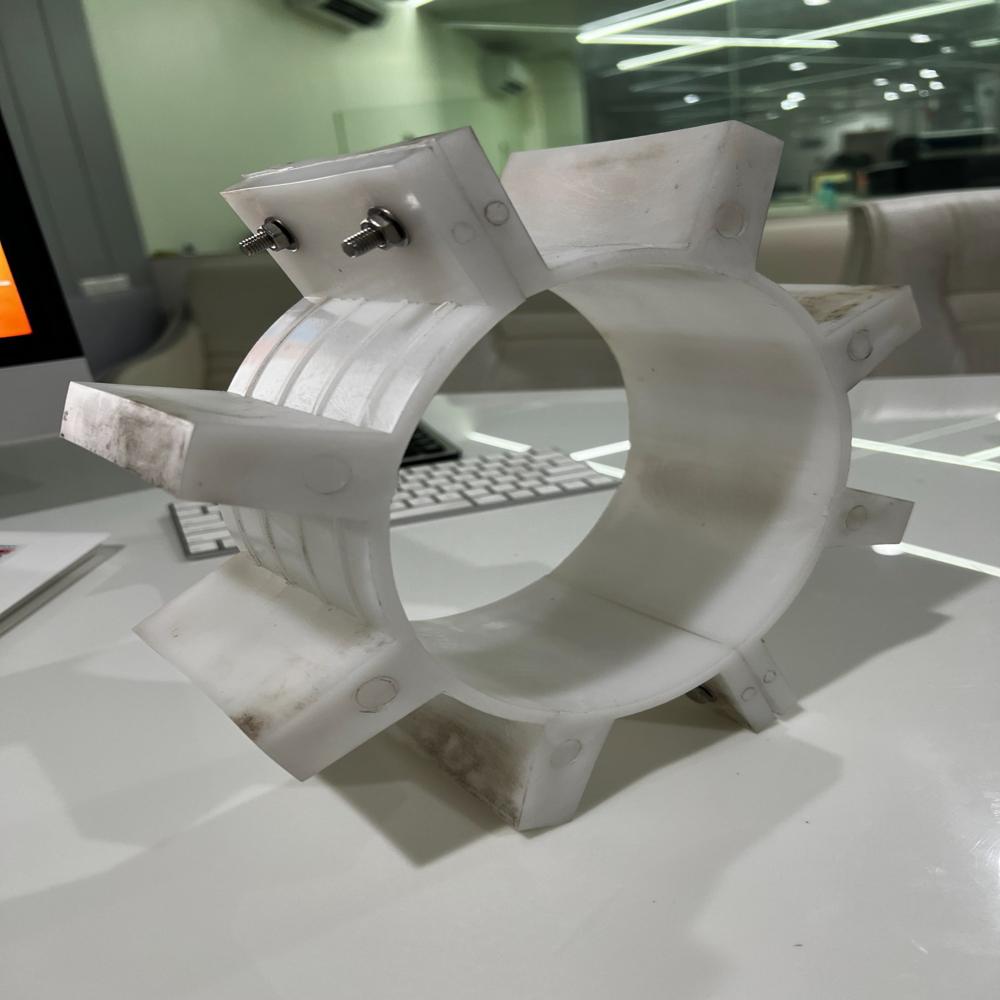
About HDPE Casing Spacer
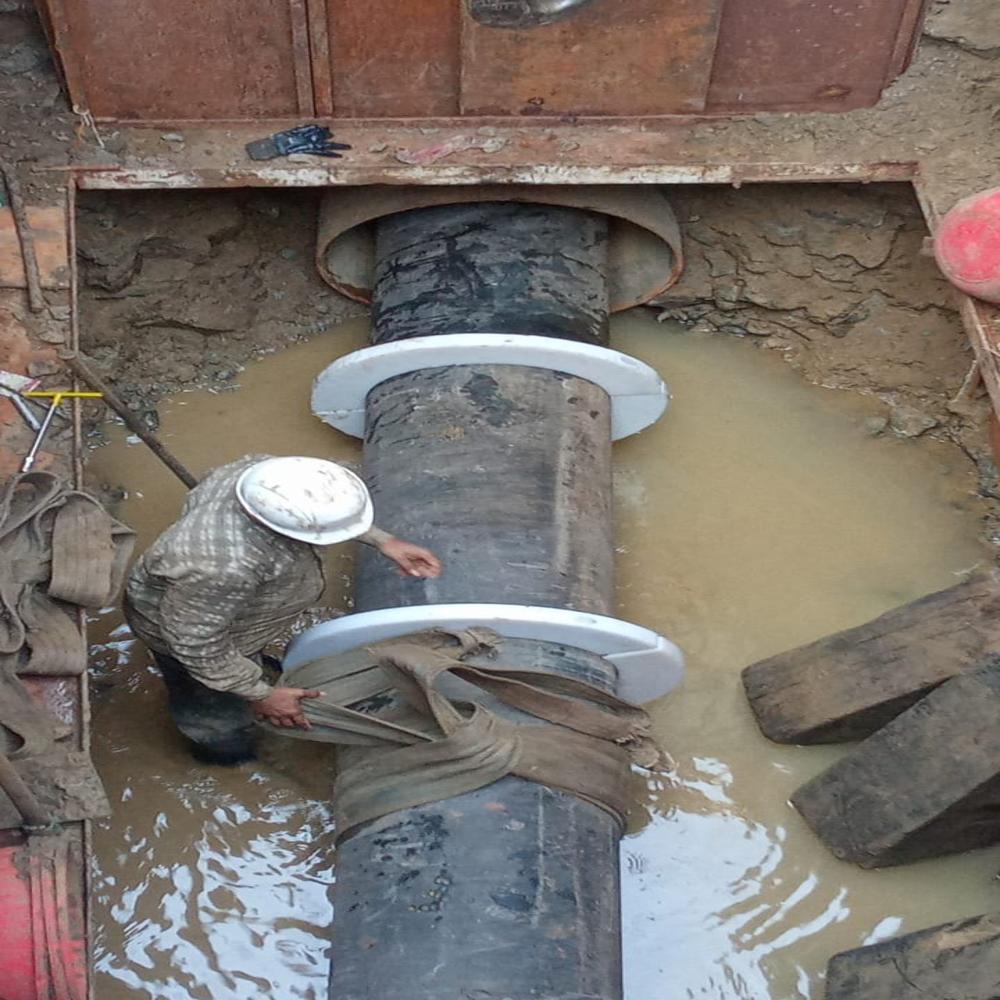
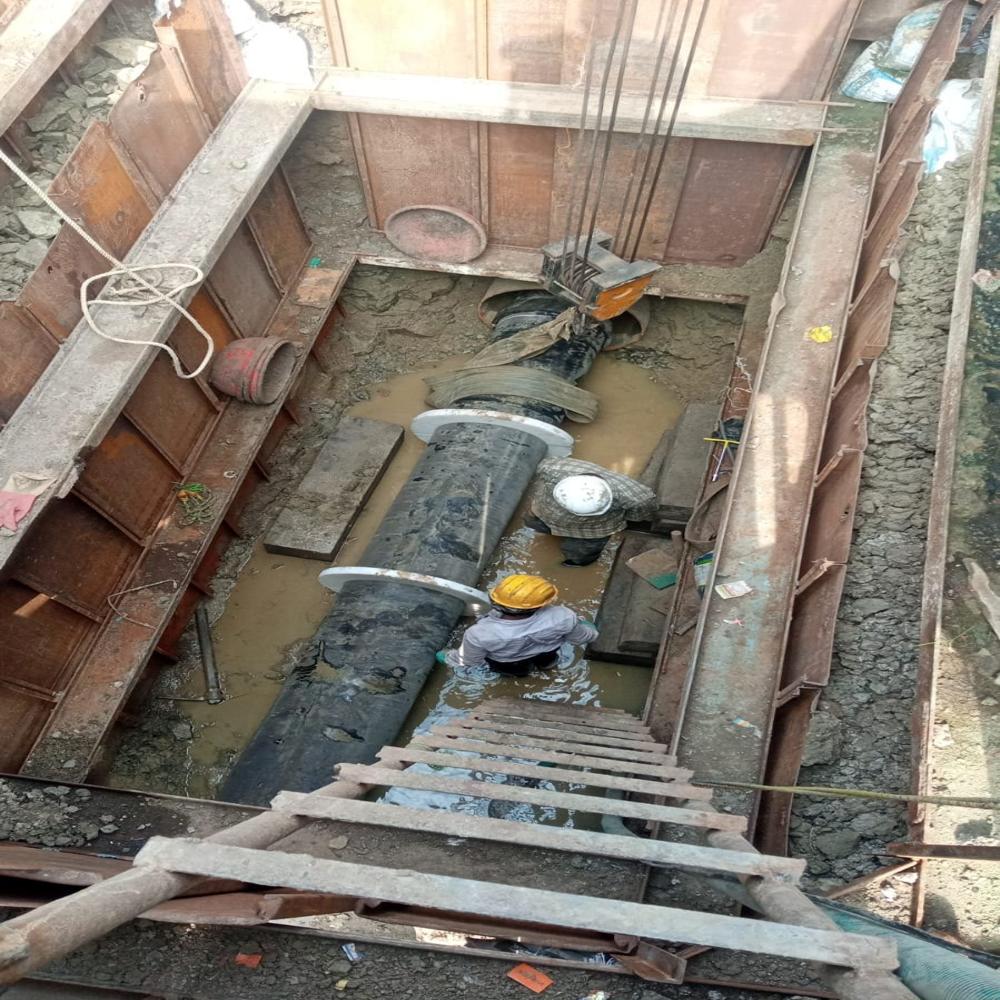
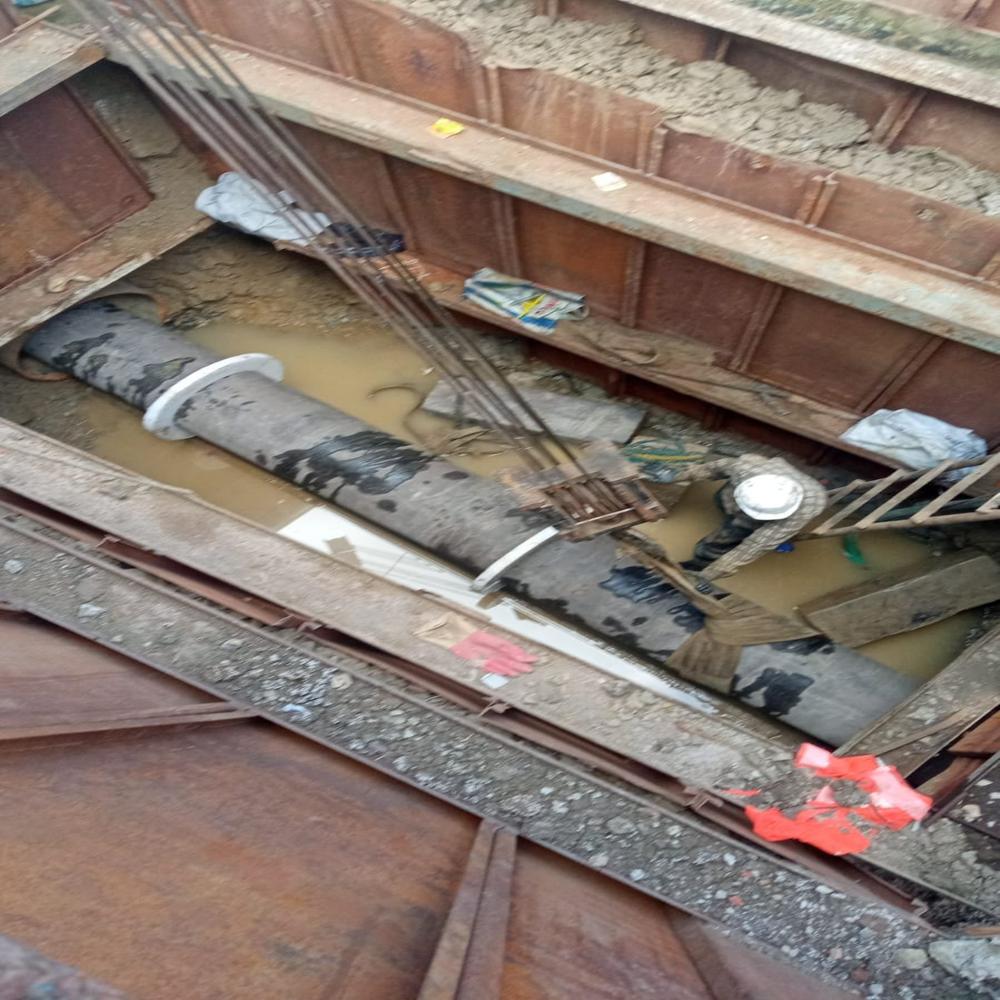
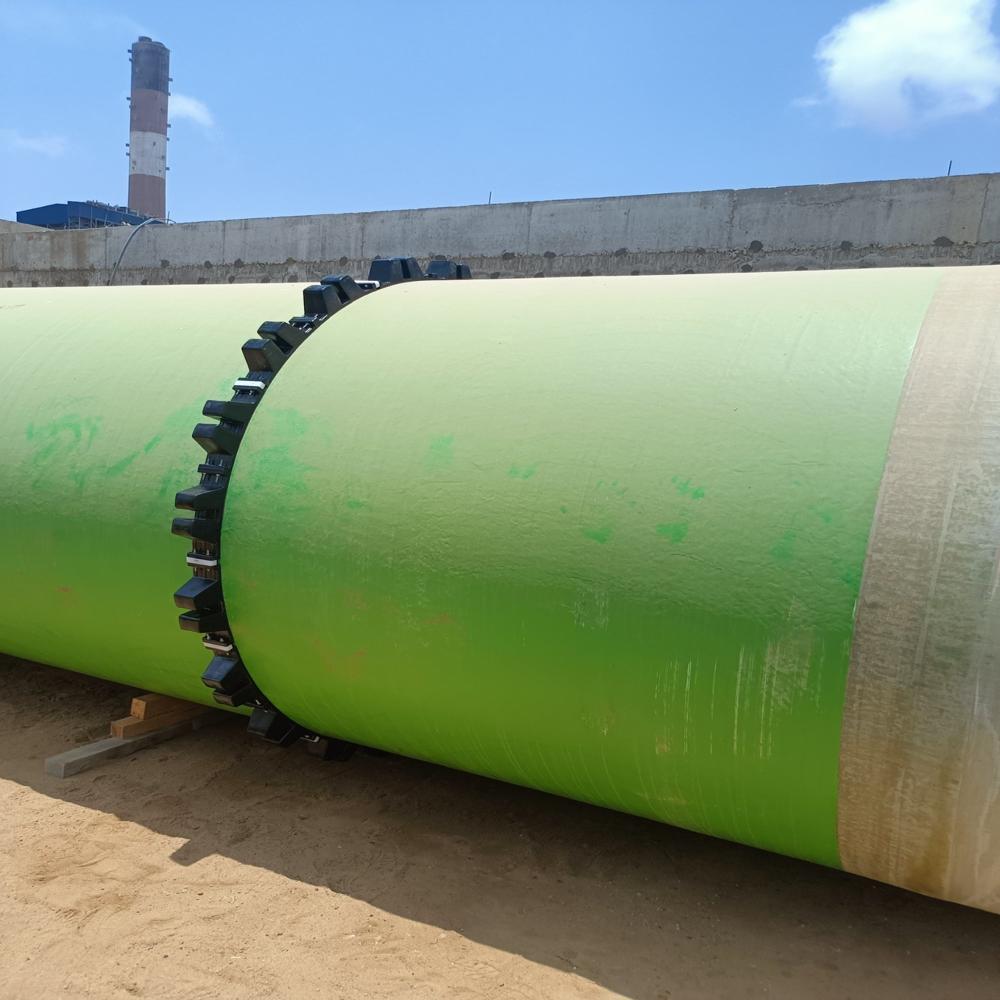
Although casing spacers play a small part in the installation process of a water or sewer carrier pipe, the part they play is an important one.
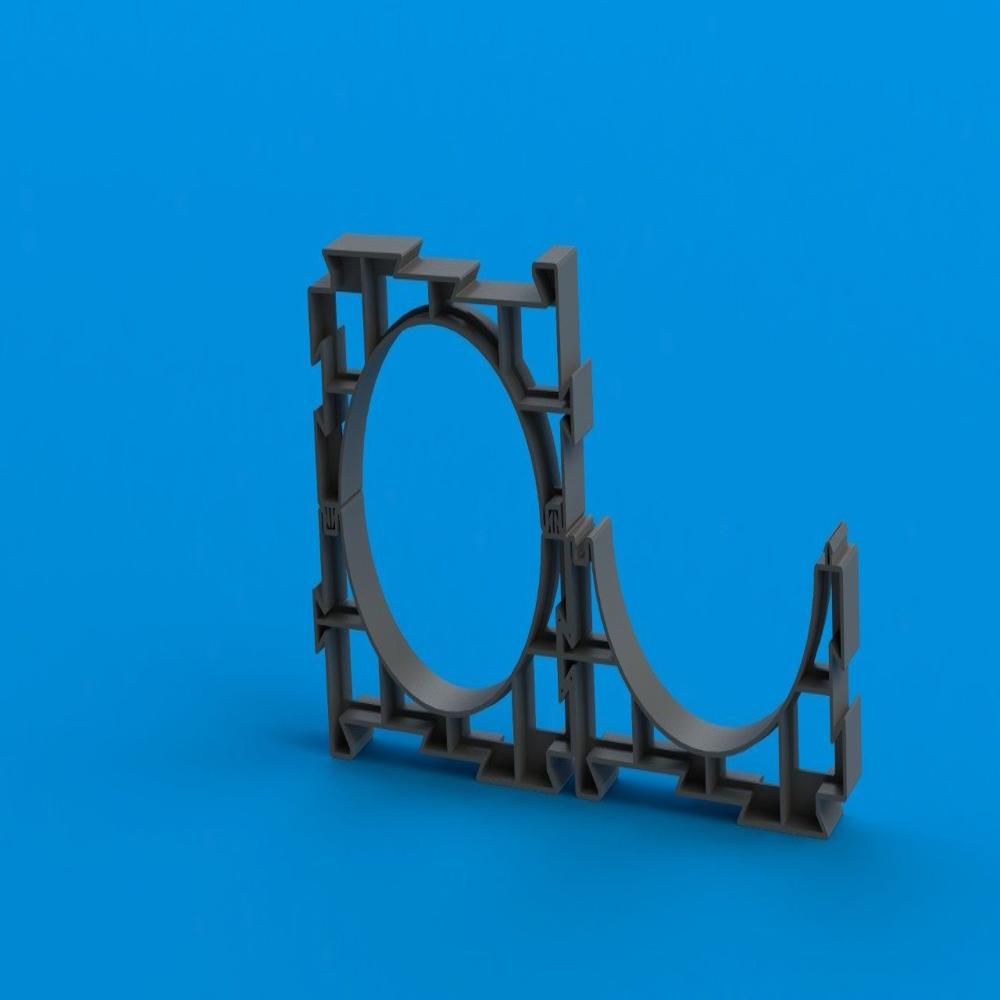
Also known as casing insulators, theyre able to improve a carrier pipes performance, reliability, and life-cycle. In addition, insulators ensure accurate alignment, provide support, and reduce pipe installation time.
Long-Lasting Durability and ResistanceEngineered from top-quality HDPE material (PE100/PE80), these casing spacers guarantee a life expectancy exceeding 50 years, even in harsh environments. Their excellent resistance to corrosion, acids, alkalis, salts, and UV exposure makes them ideal for underground and outdoor use. The self-extinguishing property enhances safety in fire-prone areas, and their uncoated, smooth surface helps prevent sediment build-up.
Effortless Installation ProcessThe spacers are designed for quick and easy on-site assembly using mechanical push-fit or snap-fit connections. Their lightweight and round structured build allows simple handling and rapid positioning. The medium flexibility reduces the risk of breakage during installation, ensuring a secure fit for pipelines or cable ducts without the need for specialized equipment or tools.
Wide-Ranging ApplicationsThese HDPE Casing Spacers are suitable for numerous uses, including pipeline casing, borewell lining, cable ducting, and electrical or telecommunication cable protection. They can handle pressures up to 16 bar and temperatures from -20C to 60C, making them highly adaptable to various commercial and industrial requirements. Their excellent electrical insulation properties offer reliable cable protection.
FAQ's of HDPE Casing Spacer:
Q: How are HDPE Casing Spacers installed, and is special equipment needed?
A: HDPE Casing Spacers feature quick and easy installation using mechanical push-fit or snap-fit connections. No specialized tools or heavy equipment are necessary, making the installation process straightforward even for lengthy or large-diameter pipes.
Q: What benefits does the smooth and round section shape provide during usage?
A: The smooth, round design ensures minimal friction, facilitating the effortless insertion of pipes or cables. It also prevents debris accumulation, ensuring consistent support and reducing potential wear on the protected pipelines or ducts.
Q: When should HDPE Casing Spacers be used over metal or other materials?
A: They should be chosen when applications require excellent corrosion resistance, high chemical stability, and electrical insulation-particularly for underground, water, sewage, and cable ducting projects exposed to acids, alkalis, or UV radiation.
Q: Where are these spacers most commonly applied?
A: HDPE Casing Spacers are widely used in pipeline casing for water, gas, and sewage works, borewell linings, and cable protection for electrical and telecommunication installations, especially where exposure to chemicals and moisture is a concern.
Q: What is the typical process for customizing the length or diameter of spacers?
A: Customers can specify the required outer diameter (50 mm to 1200 mm) and custom length when ordering. Manufacturers use precise tolerances (up to 0.2 mm) to deliver spacers that fit exact project specifications, as per ASTM D3350 / IS 4984 standards.
Q: How does the product ensure safety and require no ongoing maintenance?
A: HDPE's self-extinguishing property limits fire spread, and its inertness prevents corrosion or chemical reactions. The material's durability and robust design mean the spacers do not require maintenance throughout their life expectancy of over 50 years.




 English
 Spanish
 French
 German
 Italian
 Chinese (Simplified)
 Japanese
 Korean
 Arabic
 Portuguese
 Send Inquiry
 Send Inquiry

