
TECAFINE POLYMER PRIVATE LIMITED
GST : 24AAFCT7626P1ZR

Call us
07971459969
Call us
07971459969
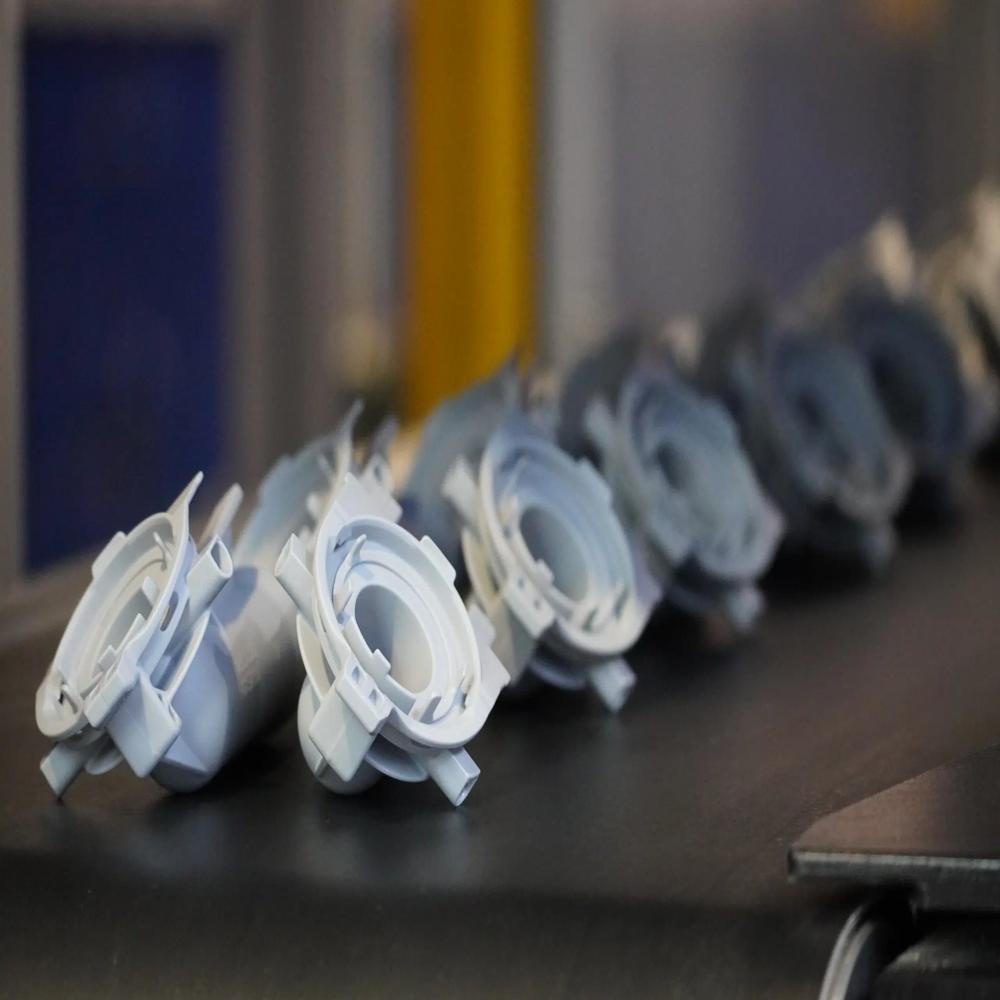
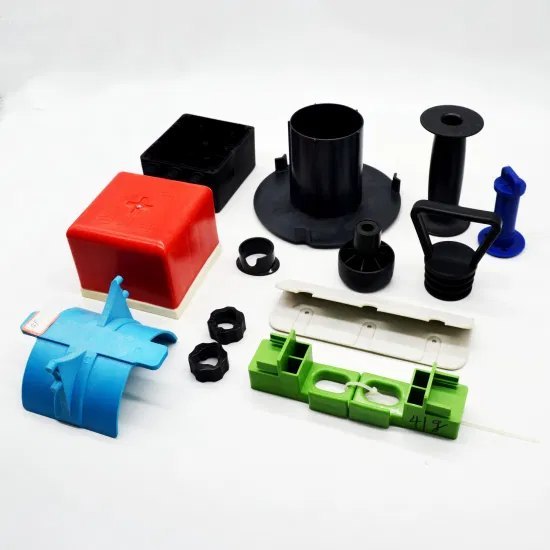
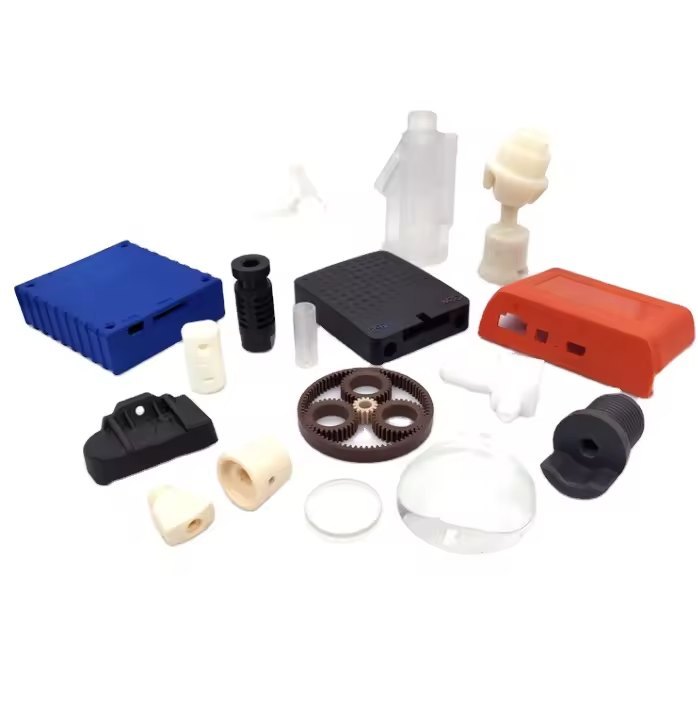

PP (Polypropylene) product parts are components made from polypropylene, a highly versatile and durable thermoplastic polymer. PP is widely used for manufacturing parts across various industries due to its excellent resistance to chemicals, moisture, heat, and fatigue. It is also lightweight, cost-effective, and easy to process, making it an ideal material for both small and large-scale production.
PP product parts are used in industries like automotive, packaging, consumer goods, medical, and textiles. In the automotive sector, PP parts are commonly found in bumpers, interior panels, battery cases, and other components due to their strength and lightweight properties. In packaging, PP is often used for containers, caps, and bottles, as it offers excellent durability and is resistant to oils, acids, and solvents.
Medical devices such as syringes, pill bottles, and diagnostic equipment often use PP parts because of its non-toxic, chemically resistant, and easy-to-clean nature. Additionally, PP is commonly used in home goods and furniture, where its molded into durable, practical items such as storage bins, trays, and outdoor furniture.
The advantages of PP product parts include their ability to withstand repeated stress without cracking, high resistance to environmental factors, and their ability to be easily recycled. These properties make PP parts a go-to material for a wide range of functional, long-lasting products.

Price:
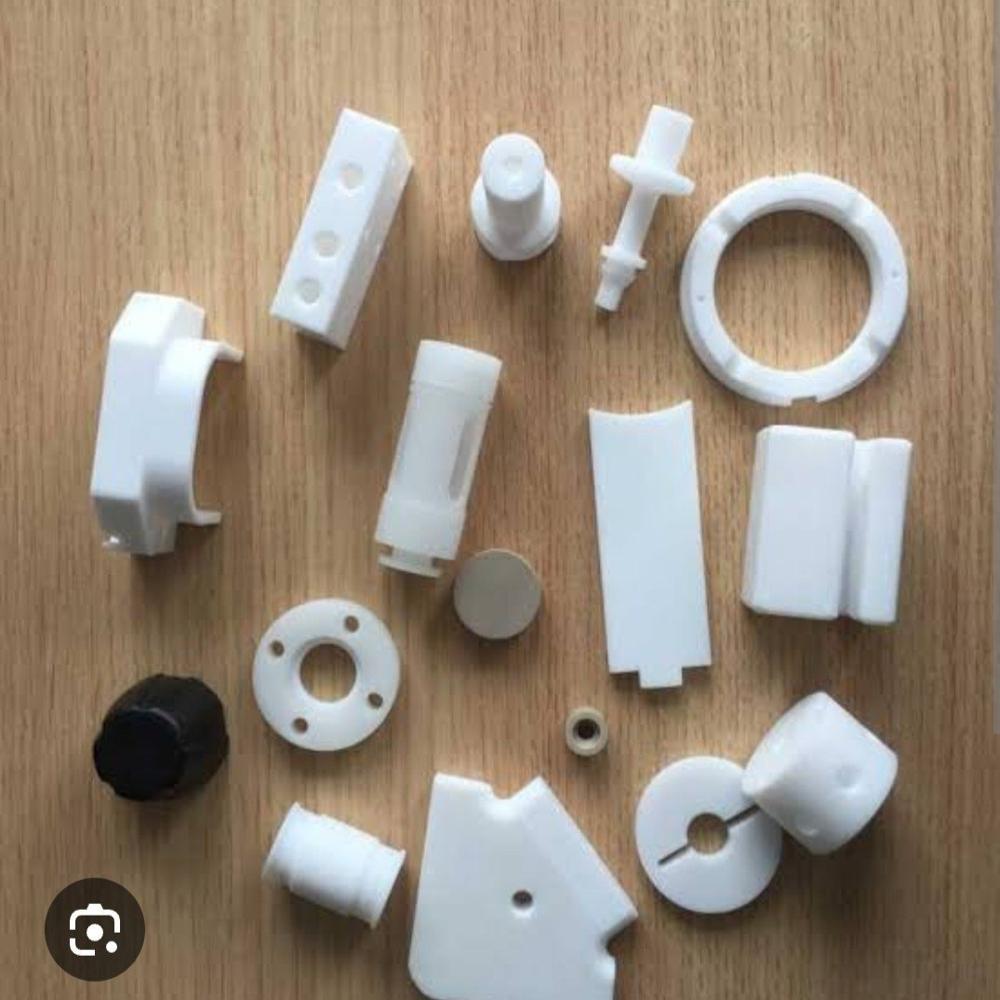
Price 41.0 INR / Piece
Minimum Order Quantity : 100 Pieces
Color : Black, White, Grey, or as required
Feature : Other, Corrosion Resistance, Accurate Dimensions, High Durability
Automatic : Other, SemiAutomatic/Automatic as per requirement
Product Type : Plastic Moulding Parts
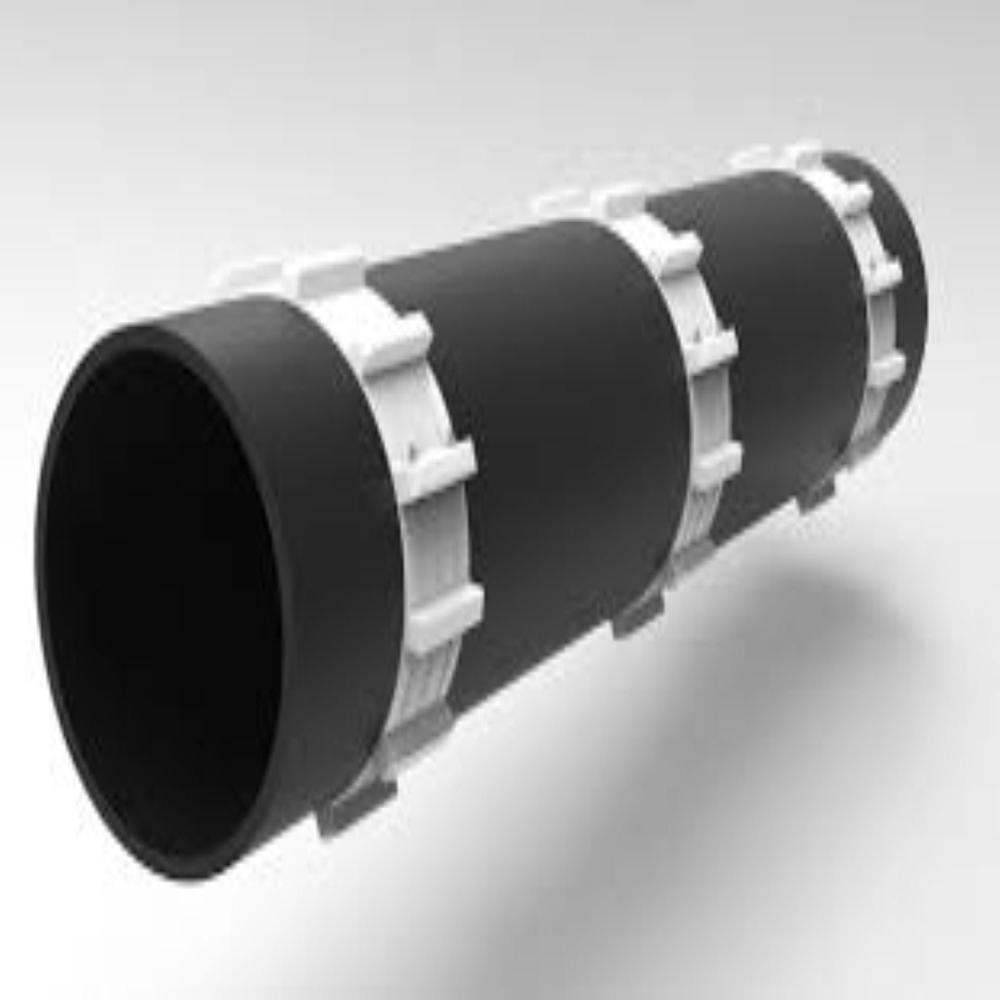
Price 22.0 INR / Piece
Minimum Order Quantity : 50 Pieces
Color : Grey, Black, As Required
Feature : Other, High Strength, Durable, Precise Finish
Automatic : Other, SemiAutomatic
Product Type : Plastic Mould Items
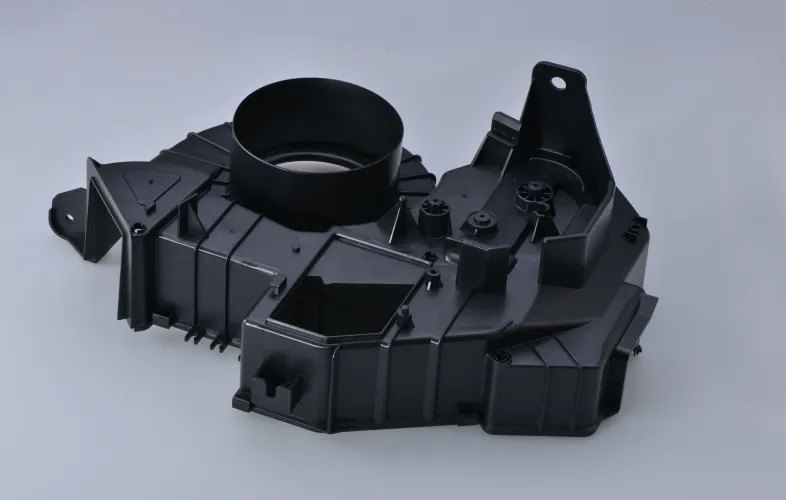
Price 16.0 INR / Piece
Minimum Order Quantity : 1000 Pieces
Color : Blue & White
Feature : Other, High Precision, Energy Efficient, Durable, User Friendly
Automatic : Yes
Product Type : Plastics Article
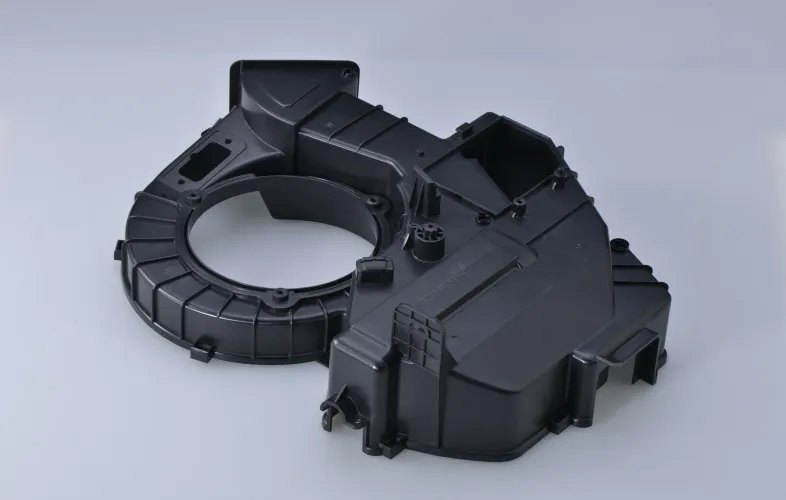
Price 35.0 INR / Piece
Minimum Order Quantity : 200 Pieces
Color : Available in multiple colors
Feature : Other, Durable, lightweight, reusable, weatherresistant
Automatic : Other, No (Manual/ Semiautomatic options available)
Product Type : Moulded Plastic Product

 English
 Spanish
 French
 German
 Italian
 Chinese (Simplified)
 Japanese
 Korean
 Arabic
 Portuguese
 Send Inquiry

