About Polyethylene Casing Spacers
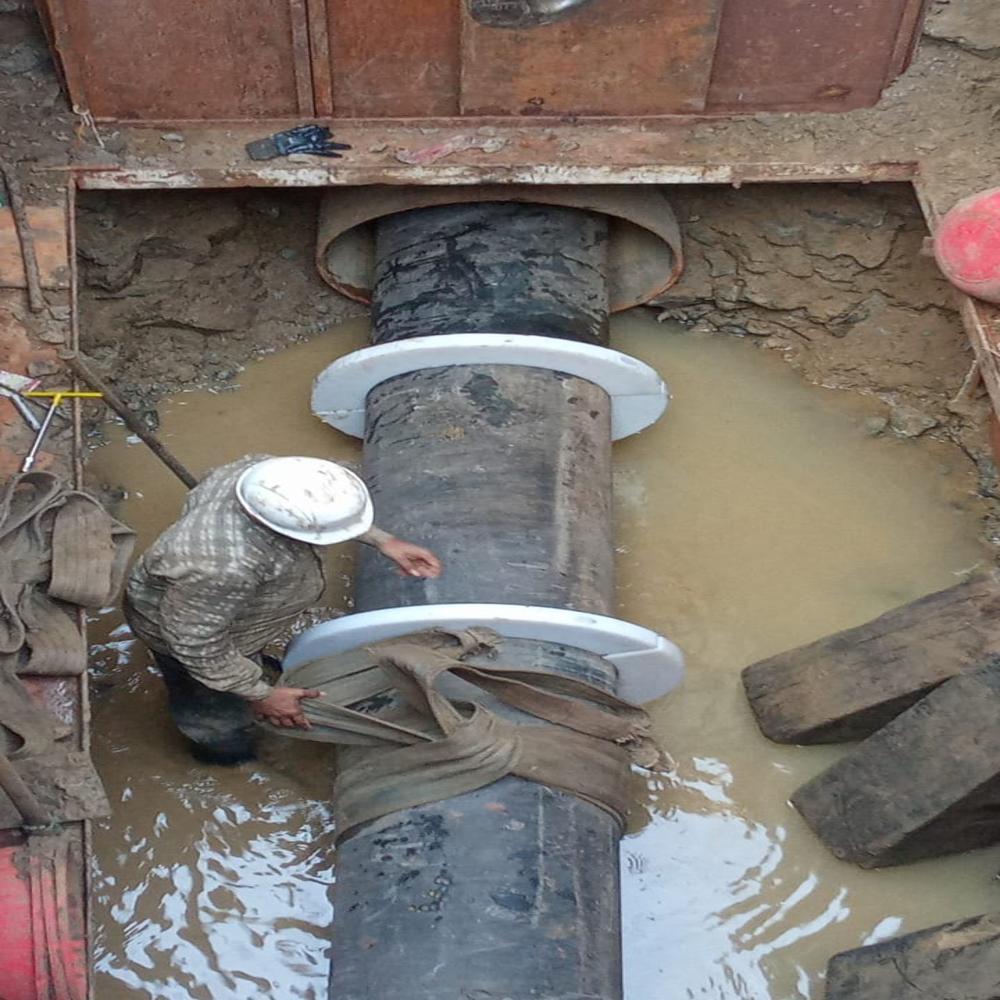
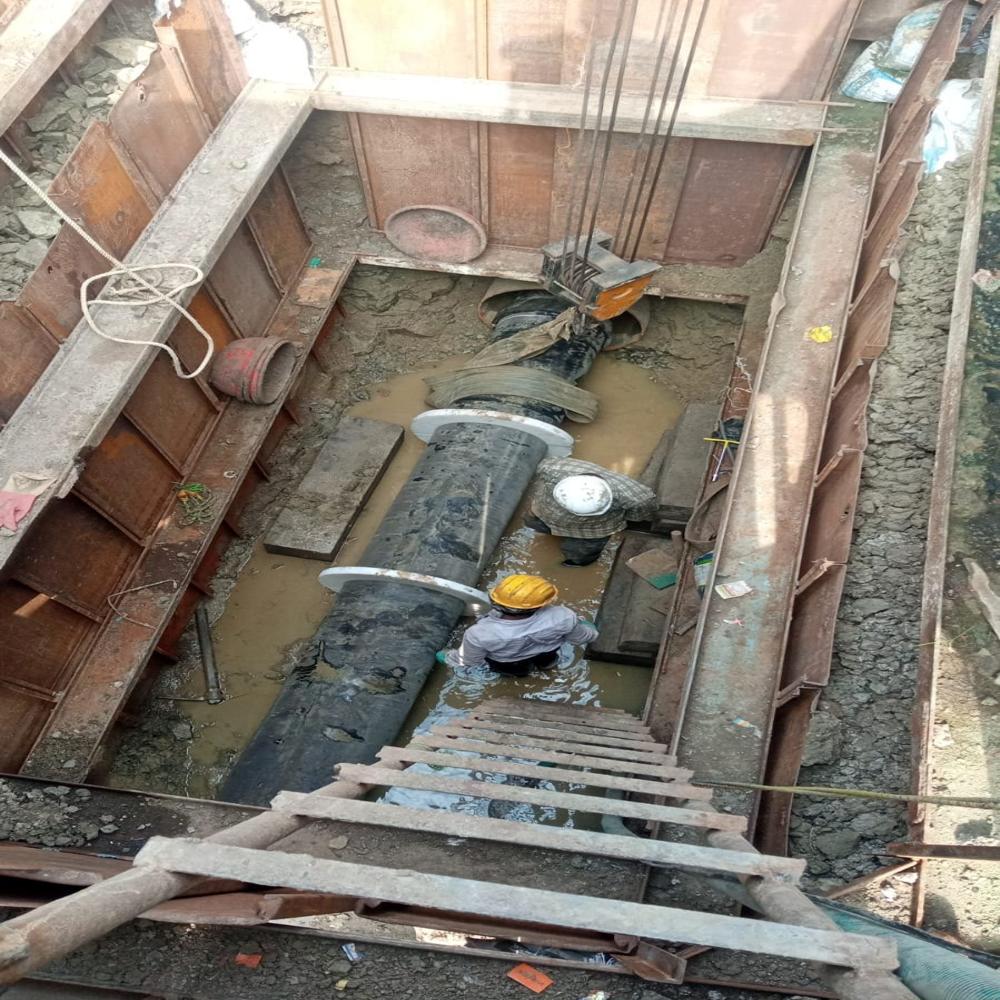
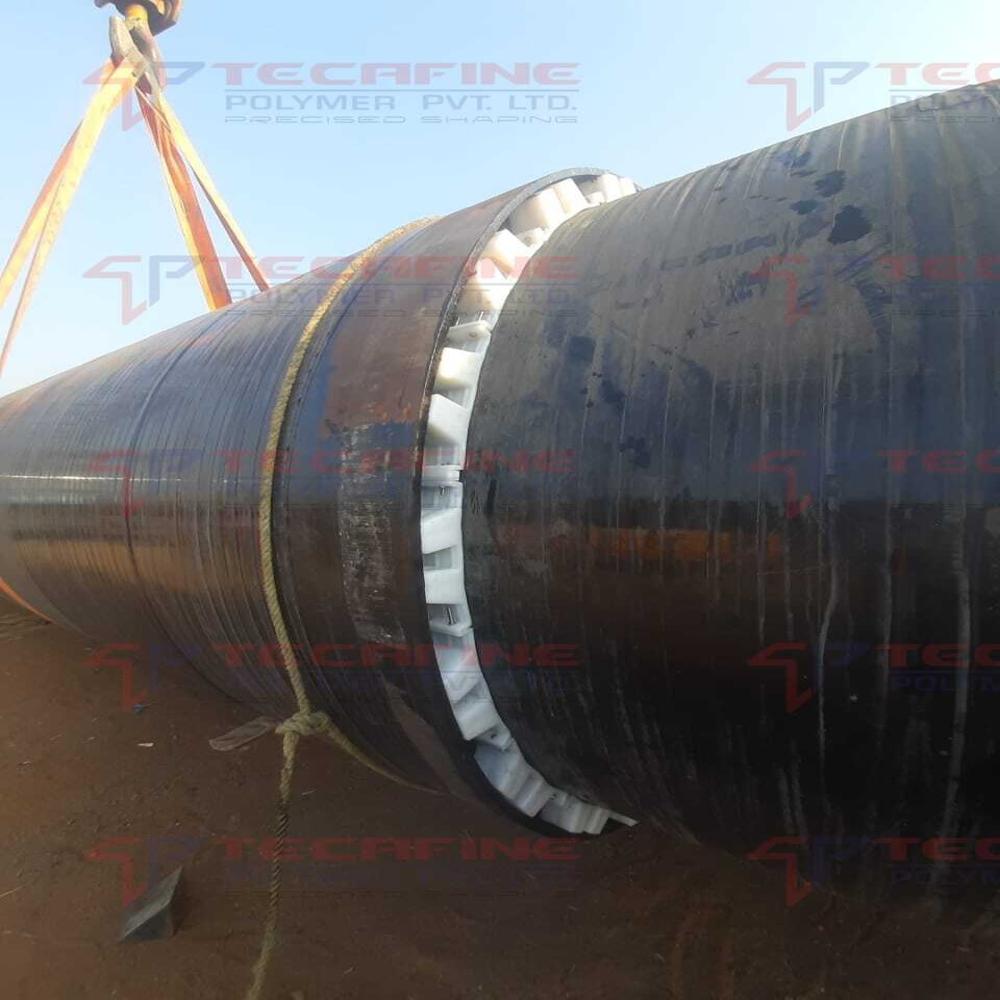
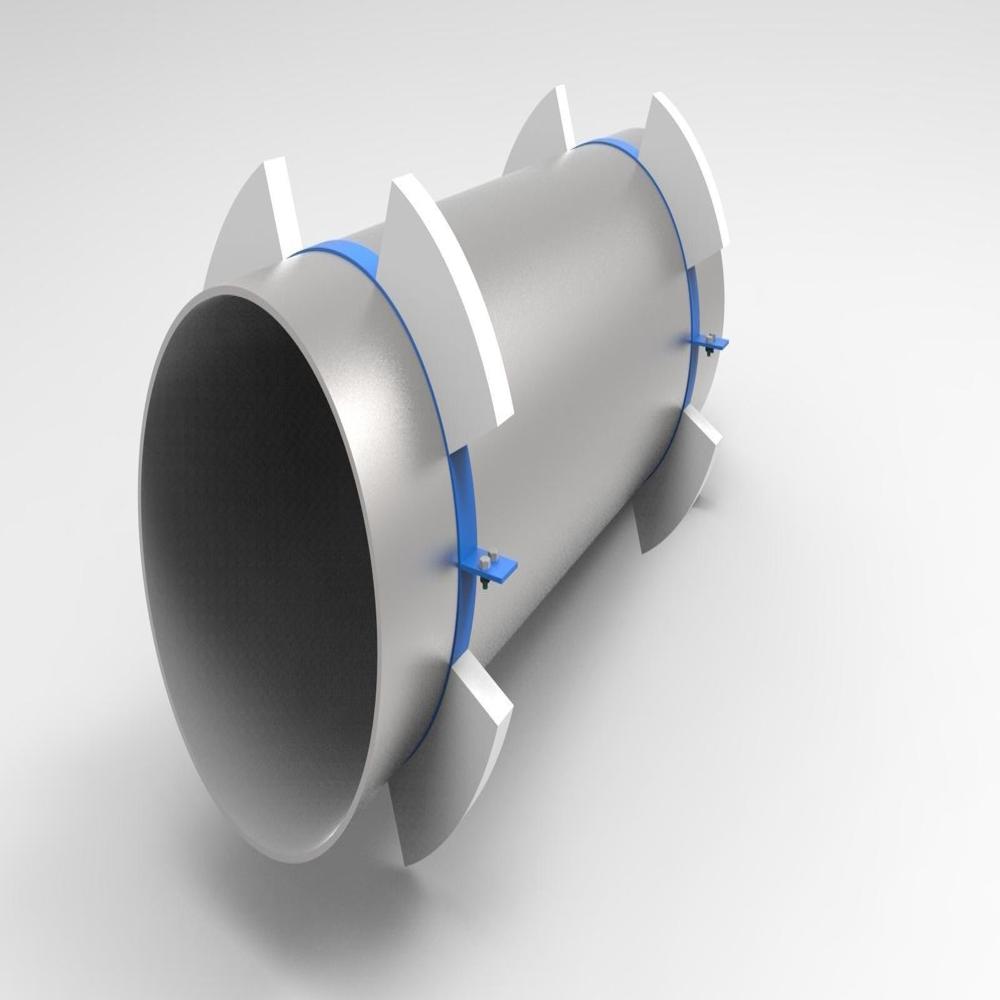
Although casing spacers play a small part in the installation process of a water or sewer carrier pipe, the part they play is an important one.
Also known as casing insulators, theyre able to improve a carrier pipes performance, reliability, and life-cycle. In addition, insulators ensure accurate alignment, provide support, and reduce pipe installation time.
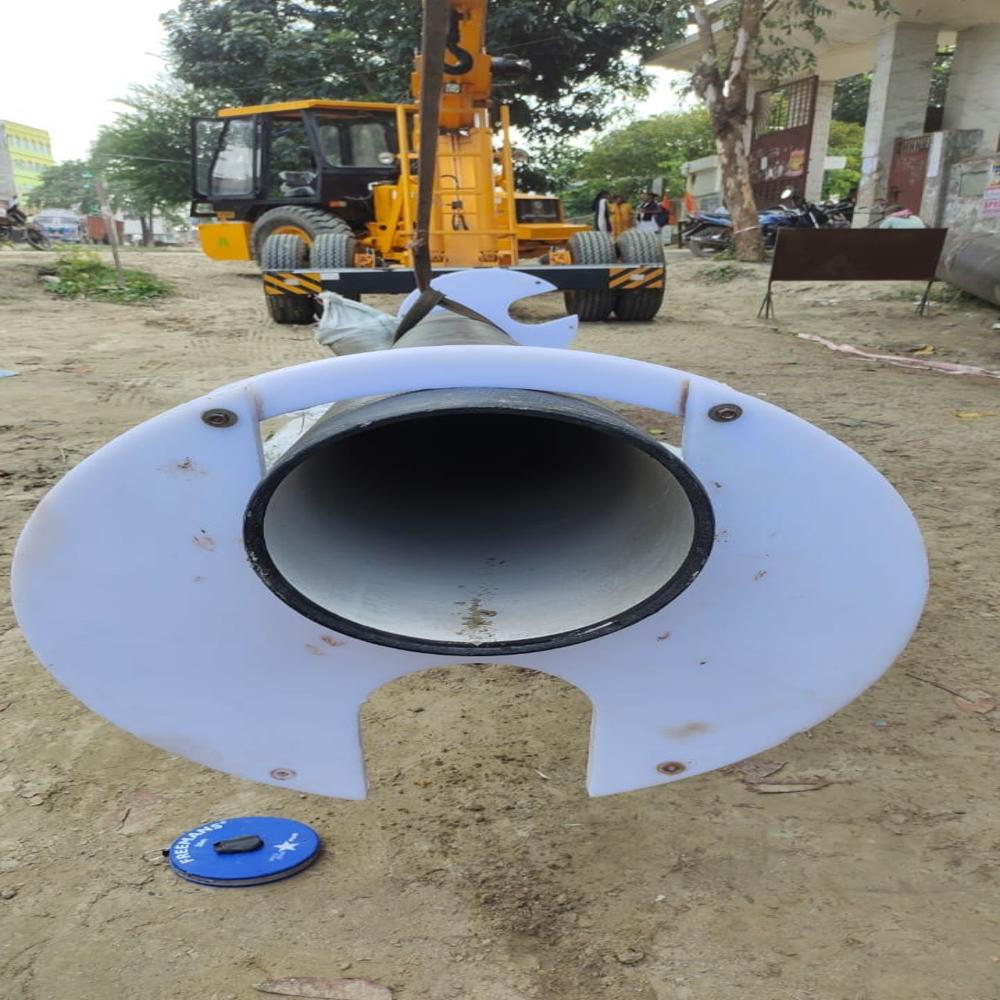
Key Features for Longevity and ReliabilityOur HDPE casing spacers are designed to prevent metal-to-metal contact, minimizing corrosion risk and extending pipe lifespan. With a self-extinguishing nature, high dielectric strength, and excellent chemical and impact resistance, these spacers ensure performance in even the most challenging environments. UV stabilization and low water absorption (<0.1%) make them ideal for outdoor and underground applications where reliability matters.
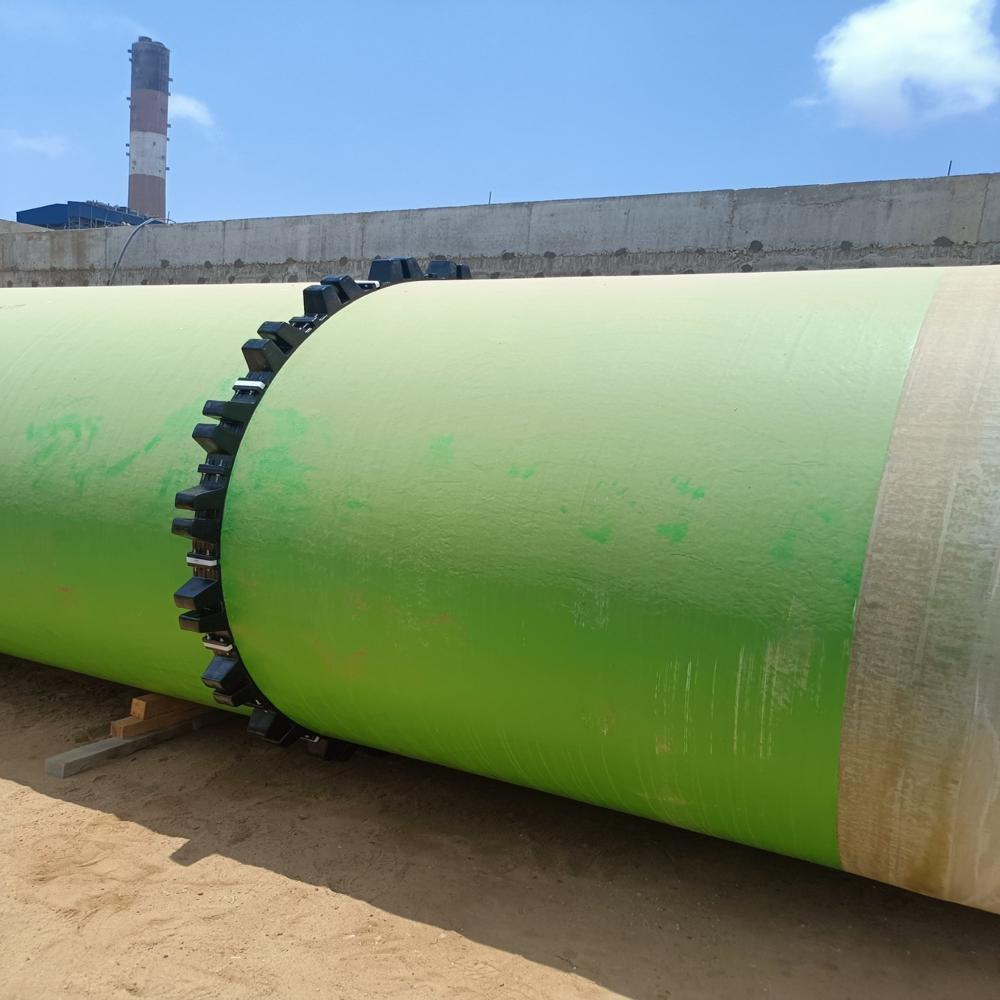
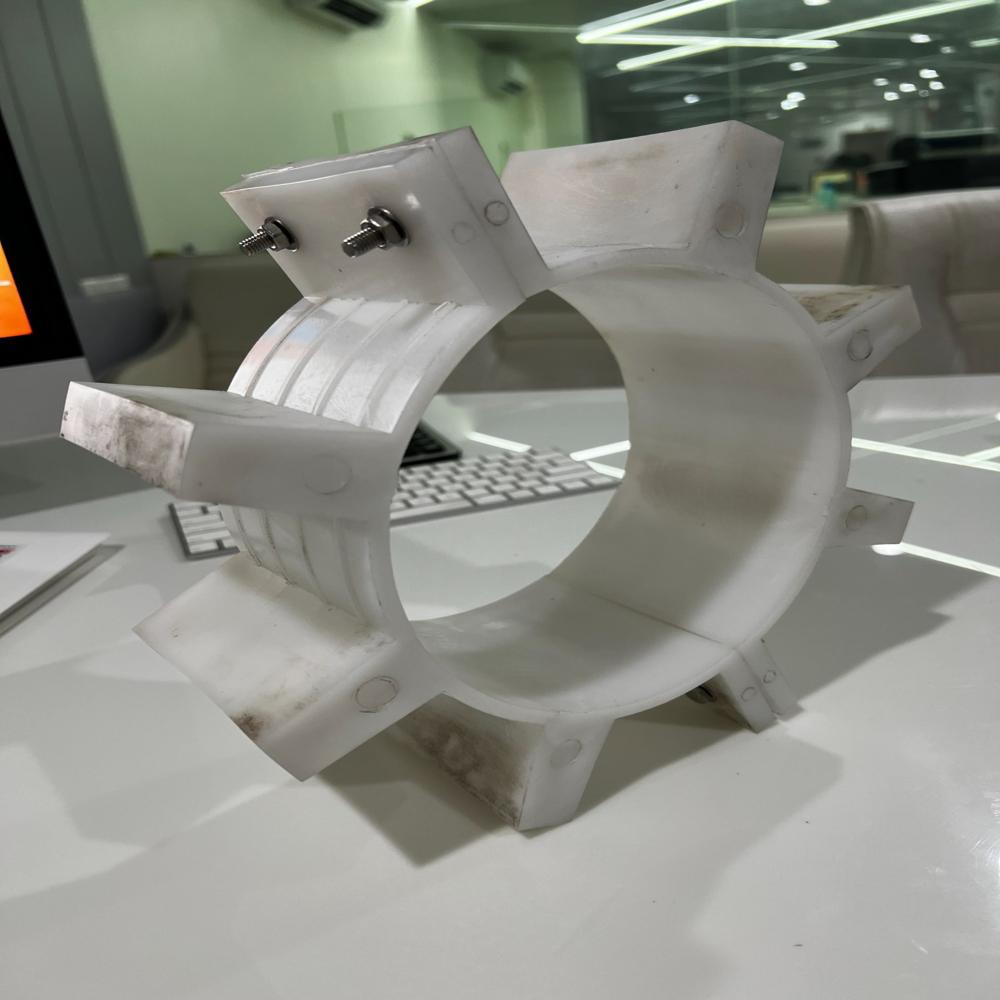
Simple and Efficient InstallationThe manual, tool-free snap lock assembly enables quick, secure installations-no special tools or training needed. Available for carrier pipes of 25 mm up to 1500 mm outer diameter, these spacers can be customized in length to meet your project's exact needs. Their semi-rigid construction and precise tolerances guarantee optimal pipe alignment and support during installation.
Broad Application VersatilitySuitable for a wide range of pipe installation scenarios, these HDPE casing spacers support water, gas, or cable conduit crossings under roads, railways, or buildings. With excellent chemical and fire resistance (self-extinguishing as per HDPE standards), they protect carrier pipes against environmental threats, corrosion, and mechanical damage, ensuring safe operation in non-pressure applications.
FAQ's of Polyethylene Casing Spacers:
Q: How are polyethylene casing spacers installed?
A: Installation is manual and straightforward, involving a tool-free snap lock or clip-type connection. This design ensures that the spacers can be quickly assembled on the pipe, securely holding it in position without the need for adhesives or specialized equipment.
Q: What are the key benefits of using HDPE casing spacers for pipe installations?
A: HDPE casing spacers prevent metal-to-metal contact, reducing corrosion risk and electrical conductivity. They combine high dielectric strength, excellent chemical resistance, exceptional impact resistance, and UV stabilization, making them reliable in harsh underground or outdoor environments.
Q: When should I use casing spacers with high dielectric strength?
A: High dielectric strength casing spacers are essential when electrical insulation between carrier and casing pipes is needed, particularly in installations where metal-to-metal contact might cause galvanic corrosion or unintended electrical pathways.
Q: Where can these spacers be applied?
A: These spacers are commonly used in underground pipeline installations for water, gas, or cable conduits, especially at road, railway, or river crossings. Their chemical and fire resistance makes them suitable for diverse environments across industrial, municipal, and utility projects.
Q: What is the typical load capacity and what does it depend on?
A: Each spacer can support loads up to 500 kg, although this capacity varies by model, runner count, and installation position. The robust HDPE construction ensures adequate support for pipes of varying sizes and weights as specified for the application.
Q: What maintenance is required after installation?
A: Once installed, HDPE casing spacers require minimal to no maintenance due to their chemical inertness, low water absorption, corrosion resistance, and robust mechanical properties, offering long-lasting support for carrier pipes.
Q: What packaging and size options are available?
A: Spacers are shipped in standard cartons or according to customer specification. They are available in various lengths, thicknesses (8 mm to 20 mm), and heights (25 mm to 150 mm), suitable for pipes with outer diameters between 25 mm and 1500 mm.





 English
 Spanish
 French
 German
 Italian
 Chinese (Simplified)
 Japanese
 Korean
 Arabic
 Portuguese
 Send Inquiry

