About HDPE Pipe Saddle
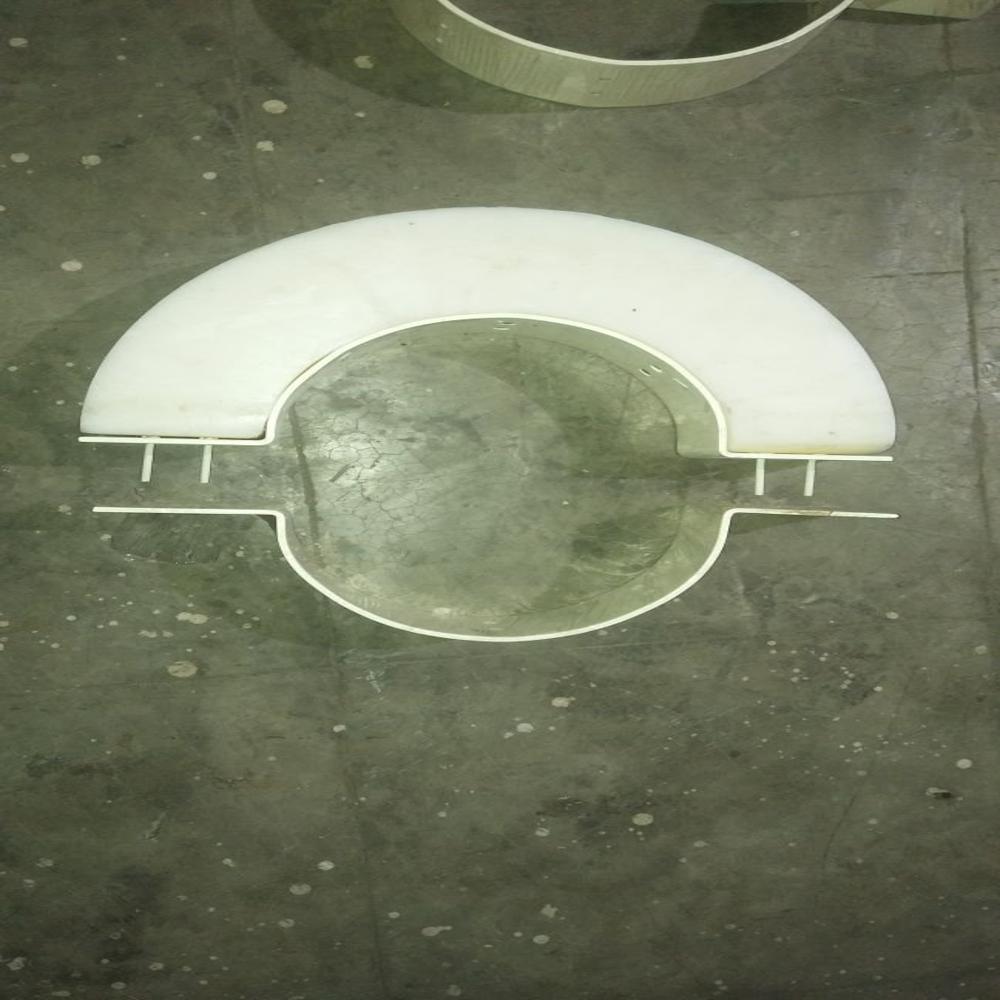
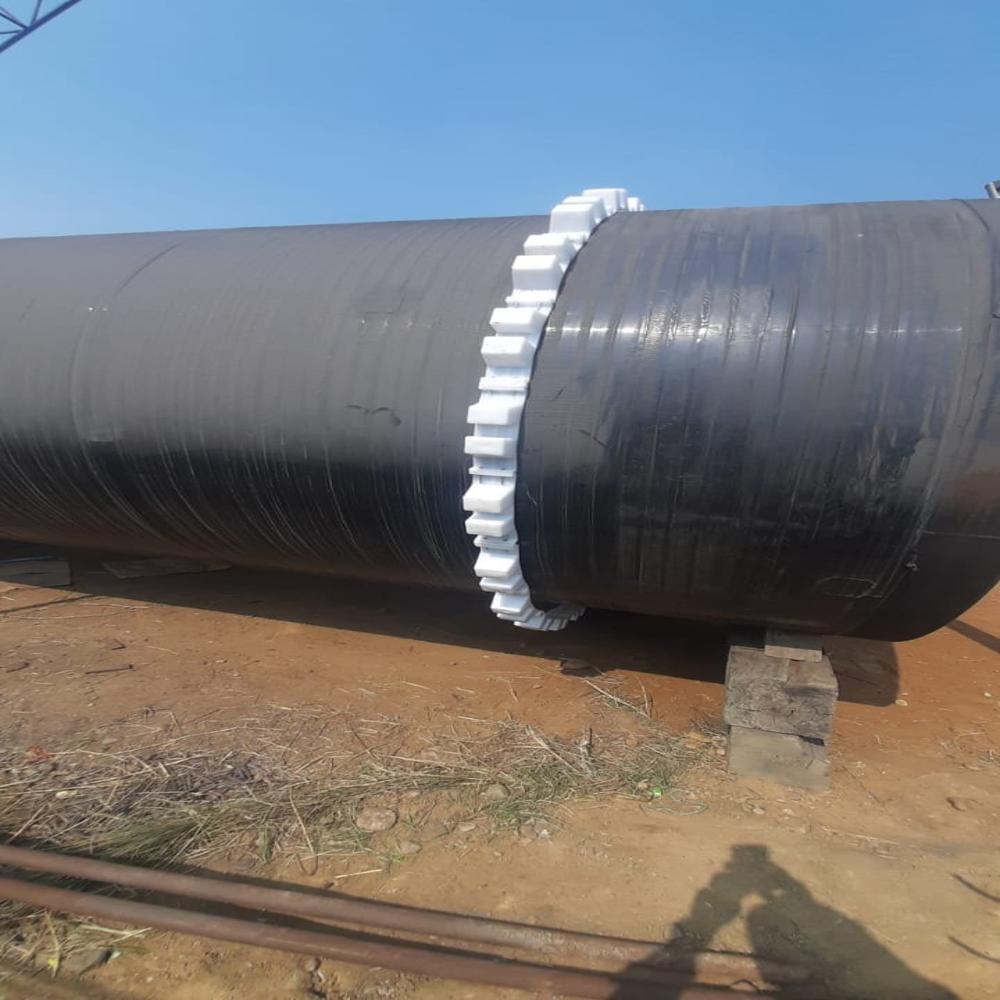
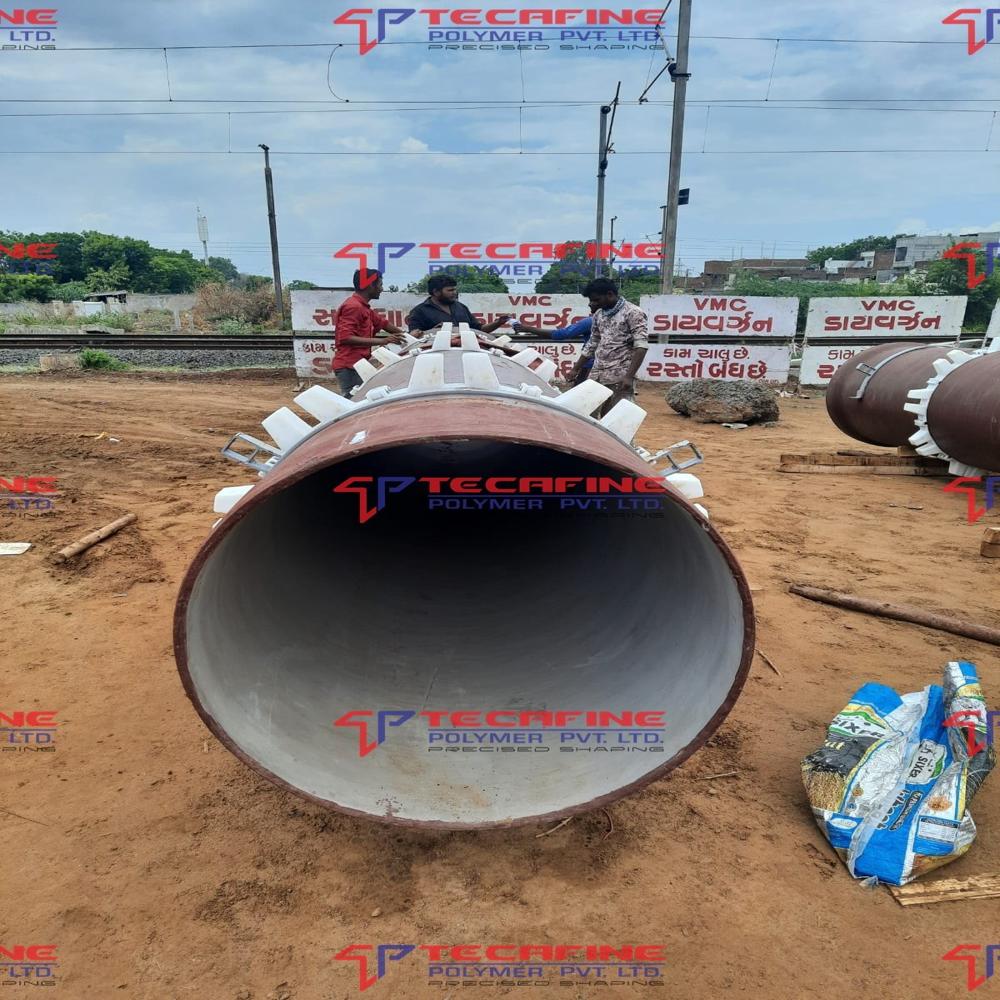
Although casing spacers play a small part in the installation process of a water or sewer carrier pipe, the part they play is an important one.
Also known as casing insulators, theyre able to improve a carrier pipes performance, reliability, and life-cycle. In addition, insulators ensure accurate alignment, provide support, and reduce pipe installation time.
Superior Material and Build QualityEach HDPE Pipe Saddle is crafted from prime PE-63, PE-80, or PE-100 grades, providing optimal tensile and flexural strength. The smooth, natural HDPE surface is resistant to both internal and external corrosion, while UV stabilizers in black HDPE ensure lasting performance even under direct sunlight. Our WRAS and ISO certifications guarantee dependable quality.
Flexible Installation OptionsChoose between fusion welding or mechanical saddle clamp methods for installation. Outlets are available in plain or threaded formats, catering to diverse branch piping needs. Our saddles are compatible with a range of pipe outer diameters, from 20 mm up to 315 mm or more, fitting almost all conventional pipeline systems.
Reliable Performance in Demanding EnvironmentsDesigned for underground and outdoor applications, our HDPE Pipe Saddles feature a robust, uncoated finish that withstands chemicals, high pressures (up to PN 16), and challenging temperature ranges from -40C to +80C. This ensures a service life of up to 50 years under standard operational conditions.
FAQ's of HDPE Pipe Saddle:
Q: How are HDPE Pipe Saddles typically installed?
A: HDPE Pipe Saddles can be installed using either fusion welding or a mechanical saddle clamp process. The fusion welding method ensures a strong, permanent bond, while the mechanical clamp allows for quicker assembly and disassembly. The choice depends on your pipeline system's requirements and on-site conditions.
Q: What types of pipes are HDPE Pipe Saddles suitable for?
A: These saddles are designed for use on polyethylene pipes with outer diameters ranging from 20 mm up to over 315 mm. They are commonly used in water, gas, and chemical supply pipelines and are compatible with pipes conforming to IS: 4984, ISO 4427, and DIN 8074 standards.
Q: When should I use a threaded versus a plain outlet saddle?
A: Threaded outlets are ideal when connecting to fittings or valves that require a screw-type connection, commonly seen in service lines. Plain outlets are preferable for fusion-welded branch connections requiring direct, seamless integration with the main pipeline.
Q: Where can HDPE Pipe Saddles be installed?
A: HDPE Pipe Saddles are engineered for both underground and outdoor installations. Their high corrosion and UV resistance make them particularly effective in harsh environmental conditions, ensuring long-term reliability in varied settings.
Q: What are the main benefits of choosing an HDPE Saddle for branching pipelines?
A: HDPE Saddles provide leak-proof, high-strength connections with exceptional durability, resisting corrosion, chemicals, and UV degradation. They are lightweight, easy to handle, and customizable to fit various pipe sizes, ensuring a reliable, cost-effective solution for diverse applications.
Q: How can I ensure I am selecting the right saddle size and specification?
A: Select the saddle based on your main pipe's outer diameter, the required outlet connection (threaded or plain), and the system's pressure rating. If you need sizes or customizations beyond the standard dimensions (Length: 150 mm, Width: 100 mm, Thickness: 8-20 mm), consult the manufacturer or supplier for tailored options.





 English
 Spanish
 French
 German
 Italian
 Chinese (Simplified)
 Japanese
 Korean
 Arabic
 Portuguese
 Send Inquiry

